Organizations are increasingly being held liable for breaches of employee data. But employers can take steps to mitigate the likelihood and impact of breaches. Any organization using an electronic payroll and benefits system stores and processes sensitive employee data — which covers just about every organization in operation today. There are many risks related to a cyberattack that compromises employee data, including legal liability, business interruption and reputational damage.
Password security, though sometimes underrated, is crucial for an organization to remain viable in the vast digital landscape. A popular quote on the internet says, “A good neighbor is someone who does not put a password on their Wi-Fi.” However, for a good company, the opposite holds true, as they must thoroughly secure all their resources.
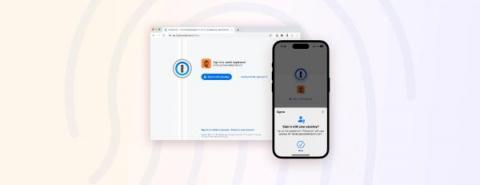
Earlier today, Google announced that you can now create and use a passkey to secure your personal Google account. This support is an important step toward the widespread adoption of a simpler, more secure alternative to passwords.
The U.S. federal government is committed to implementing zero-trust cybersecurity across all government agencies. In 2021, the White House issued Executive Order (EO) 14028, directing federal agencies to adopt zero-trust network architectures. A few months later, CISA followed up with a draft Zero Trust Maturity Model.
Most password managers are very secure and safe to use. Depending on the password manager in question, some offer more security than others. To fully understand the security of password managers you’ll first have to understand what a password manager is.
We all have a lot of passwords to keep track of on a daily basis, whether they’re for shopping websites, emails, social media, or the workplace. It’s practically impossible to remember login information for each of them. But without these crucial bits of data, we can’t get to where we need to go online. It is estimated that over 300 billion passwords are currently in use, which equates to around 38.4 passwords per internet user.