New Features Unlocked
Staff Product Manager Cassaundra tells you about all the features we're bringing to 1Password this summer.


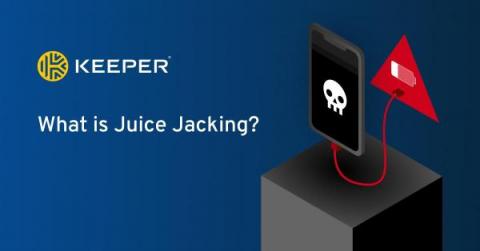
Juice jacking is a security exploit in which devices are compromised when plugged into an infected USB charging station, port or use an infected charging cable. This type of security exploit takes advantage of the fact that many people need to charge their devices, especially when traveling, and use the provided USB cables to do so. Apart from charging devices, USB cables are also used to sync data which is how attackers are able to take advantage and extract data from devices.
Since its launch in 2010, Microsoft Azure has been deployed to millions of organizations worldwide. Azure offers a vast array of services, including virtual machines, databases, AI and machine learning tools, analytics, networking, and storage options. Due to the global popularity of these cloud services, Keeper Security has prioritized seamless integration with Microsoft Azure.
If you use iCloud Keychain, you should switch to a dedicated password manager because it has superior security and more features to help you streamline password and data management. Password managers are cross-functional, allow you to securely share passwords, provide you with the ability to store more than just passwords and have secure add-ons available to further protect yourself. Continue reading to learn why you should use a password manager if you’re currently using iCloud Keychain.
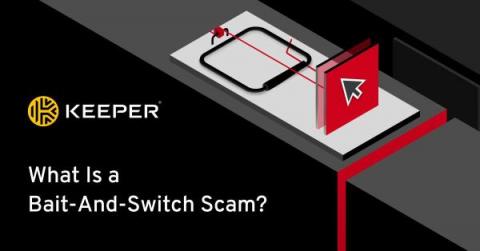
A bait-and-switch scam is a practice in which a vendor lures in a buyer with a tempting offer for a great product that the vendor does not intend to sell. This usually means advertising a too-good-to-be-true deal which, when the buyer is “baited,” is then “switched” out for a different offer.
Gmail accounts often contain vital, sensitive information including confidential documents and personal photos. They also often serve as a way to recover passwords for accounts like your banking login. That’s why email accounts are a common target for cybercriminals. Access to your Gmail account could be used to steal your money or your identity.
Why should consumers have all the fun (and less friction) using biometrics to stay secure? 1Password offers a suite of tools to help developers work faster and more securely. One of these tools is 1Password Shell Plugins, which enables one-touch access to command-line interfaces (CLIs) in your terminal.
Depending on how you create your passwords, such as the length or including letters, numbers and symbols, the time it would take a cybercriminal to crack it varies. Understanding what makes it easy for cybercriminals to crack your passwords is critical to keeping yourself safe from becoming a victim of this type of attack. Read on to learn how long it would take to crack your password and what you can do to strengthen your passwords so they’re not easily cracked by a cybercriminal.
You can help prevent cyberstalking by protecting your data with a password manager, staying private on social media and following other cybersecurity best practices to keep yourself and your data safe. Keep reading to learn the best tips for preventing cyberstalking.