How to navigate 1Password like a pro with Quick Access
We like to get things done at 1Password, which is why we’re such big fans of Quick Access in 1Password 8.


We like to get things done at 1Password, which is why we’re such big fans of Quick Access in 1Password 8.
We all use passwords every day to sign in to our devices and online accounts. But that doesn’t mean they’re a perfect solution.
Passage, a leader in modern authentication technology, is joining the 1Password team to help accelerate the adoption of passkeys for developers, businesses, and their customers.
It’s rare that a week goes by without at least one data breach making the news. Criminals are targeting companies of all sizes to see if they can slip past their digital defenses and steal confidential data.
Have you ever heard the cybersecurity term “dictionary attack”, and wondered what it means? You’re not alone. Here, we’ll break down what a dictionary attack is, and explain what steps you should take to protect yourself from this threat.
Your password manager protects your digital life. Passwords. Credit cards. Your most important documents. By its nature, the password manager is personal.
WebAuthn technology is pivotal to passwordless authentication. When implemented correctly, the specification makes it simple and secure to sign in to accounts without entering a traditional password.
The internet’s evolution is transforming our way of life in real time. That includes the experience of being a parent, and to an even greater degree, a young person. Today, it’s not uncommon for kids to have an online presence before losing their first teeth. But we’re only just starting to learn about the impact of these changing habits, and the challenges they’re creating for families around the globe.
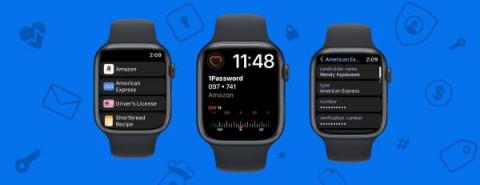
Your most precious data is now securely accessible from your most personal device. The all-new 1Password for Apple Watch offers customizable access to nearly anything in your 1Password account, with full support for complications and the same intuitive experience you know and love.