Security | Threat Detection | Cyberattacks | DevSecOps | Compliance

The Latest Cybersecurity News & Insights From Around The World


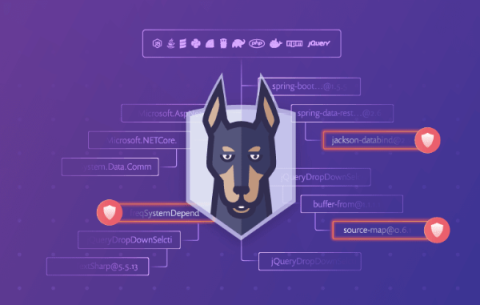
Application vulnerability management best practices
Over the years, application vulnerability management has been vital to DevSecOps — which emphasizes shared security responsibility across teams. However, as development practices have evolved, security teams must learn how to adapt and meet developers within their existing workflows. For example, containerization, infrastructure as code (IaC) AI coding assistants, and increased reliance on third-party code are all commonplace in the typical development lifecycle.
Extend the power of your AppSec data with the new Snyk and Snowflake integration
We are thrilled to announce the new Snyk Analytics for Snowflake, allowing Snyk customers to seamlessly access and analyze Snyk’s data from their Snowflake account.


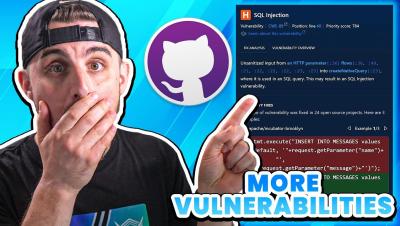
More Ways GitHub Copilot Makes You Vulnerable
Do these suggestions still give us vulnerable code? Or do they make our code less vulnerable? Today we are putting this to the test.

Infosec Europe session: 4 tips for safer AI adoption
AI adoption continues to move at a breakneck speed for businesses across the globe, as shown in a Coatue report comparing AI adoption to early internet adoption and found that AI growth is happening at two times the speed of the former.

Introducing new Snyk AppRisk integrations: Enhancing application risk management with development context
In the fast-paced world of modern software development, grasping the full scope of an application is essential for managing an application security program. This entails having visibility into all the application assets involved in building the app, knowing their ownership, and understanding their importance to the development process and the broader business.
