Security | Threat Detection | Cyberattacks | DevSecOps | Compliance





How to prevent OWASP API Top 10 security vulnerabilities? API attack prevention

Red teaming vs pentesting - What is the difference and impact on your cyber security strategy
Learn about:
+ What is Red Teaming?
+ Business Benefits of Red Teaming
+ Red Teaming Methodology
+ Common Terms & Acronyms
+ What is Penetration Testing?
+ Business Benefits of Penetration Testing
+ Pentesting Methodology
+ When should you consider a red team assessment?
+ When you are asking for a ‘red team’ and don’t need one.
+ When you are asking for a ‘pen test’ and don’t need one.

What is cyber security architecture? Elements, purpose and benefits
The principles of cyber security architecture are indeed similar to IT architecture. Networks are only going to expand, technology is going to evolve, and one constant question on every organisation’s mind is “How to ensure the protection of our assets?”. This concern is further heightened in companies whose services are mainly digitised, accounting for over 60% of UK businesses.

E-commerce Security Issues | ecommerce cyber attack prevention
How often should you perform vulnerability scanning? Best practices shared
To understand how often vulnerability scanning should be performed, it’s important to delve into the drivers behind this objective. Vulnerability management includes the treatment of risks identified during the vulnerability assessments. This is a vital element of the risk management regime for any organisation. Without making informed choices around risk appetite, an organisation may not get the best out of a vulnerability management programme.
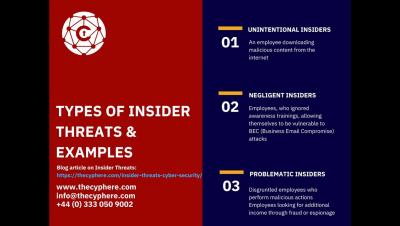
Insider Threats in Cyber Security : Types, Examples and Detection Indicators
OWASP Top 10 API security vulnerabilities | API security risks

What is the Principle of Least Privilege?
Here is a simple illustration of how the principle of least privilege works. Remember when you installed Whatsapp? You most likely got a prompt asking you to click “Allow” so the app could access your media, run in the background, or manage contacts. In that instance, you were extending privileged access to the application, so it runs effectively for you.