


Security | Threat Detection | Cyberattacks | DevSecOps | Compliance

How to secure HTTP headers in your synthetic tests

HTTP headers are a crucial part of web app network communication. These headers are fields within HTTP responses and requests that provide specifications for activities like data handling and session verification, helping clients and servers effectively relay messages to each other. They often contain a wealth of valuable information, including client IP addresses, authorization credentials, and device model details.
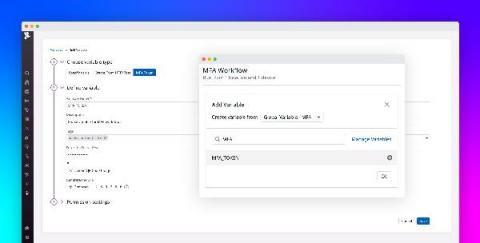
Introducing multi-factor authentication in Datadog Synthetic tests

Multi-factor authentication (MFA) is an increasingly popular method for securing user accounts that requires users to provide two or more pieces of identifying information when logging into an application. This information can consist of unique verification links or codes sent to the user’s phone or email address, as well as time-based one-time passwords (TOTPs) generated by authenticator applications or hardware.