Security | Threat Detection | Cyberattacks | DevSecOps | Compliance

7 firewall management best practices in 2024

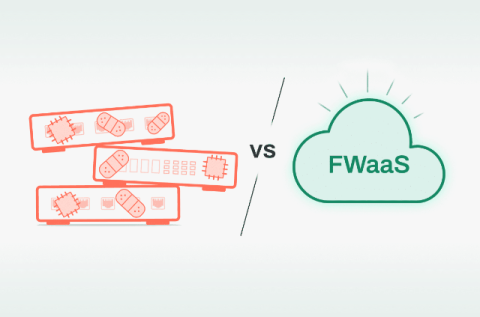
Firewalls act as the first line of defense, filtering network traffic and blocking malicious activities to safeguard sensitive data and systems. However, setting up a firewall is just the beginning. To ensure it provides optimal protection, it’s essential to implement certain practices for ongoing management. Firewall management involves a series of critical processes to ensure that the firewall operates effectively and provides comprehensive protection against cyberthreats.

Types of Security Scans Every Organization Should Be Using

In 2023, nearly 60% of incidents investigated by Arctic Wolf Incident Response involved a vulnerability that was two — or more — years old. That means the organization had 24-plus months to find and remediate the vulnerability before threat actors took advantage. Why do vulnerabilities remain persistent? There’s a number of reasons, not the least of which is that more of them pop up each day, creating a mountain of vulnerabilities that feels too difficult to summit for most businesses.

The Imperative of Data Loss Prevention in the AI-Driven Enterprise

As organizations increasingly integrate artificial intelligence (AI) into their operations, the nature of data security is undergoing significant transformation. With AI’s ability to process vast amounts of data quickly, the risk of data breaches and leaks has grown exponentially. In this context, Data Loss Prevention (DLP) has (re)emerged as a critical component for IT professionals seeking to safeguard sensitive information.

Advanced Access Control with Network Access Enforcement

Learn how to enhance your network security with WatchGuard's powerful Network Access Enforcement feature. Discover how to restrict access to your network based on device health and compliance, as well as protect against unauthorized connections and malicious threats. Improve overall network performance and security with Advanced Access Control with Network Access Enforcement.

Understanding XDR, NDR, and EDR: A Comprehensive Guide to Modern Cybersecurity Solutions

However, as cyber threats become increasingly elaborate, traditional measures to secure systems are usually inadequate. So how does one bolster an organization’s security? Today, 70% of organizations are fighting a broad set of threats ranging from sophisticated malware to advanced persistent threats. The necessity of real time threat detection and response mechanisms has never been greater. XDR, NDR, and EDR serve as strong detectors against this adversary. Let’s see why they are important.

What is a WAF (Web Application Firewall)? How does it Work?

As organizations are increasingly relying on web applications, securing them is vital. A Web Application Firewall (WAF) plays a critical role in protecting web apps by filtering and monitoring HTTP traffic between the application and the internet. Unlike traditional firewalls, which safeguard internal networks, a WAF focuses on protecting web applications from threats such as SQL injection, cross-site scripting (XSS) and other vulnerabilities.

Is it Possible to See a Full Cloud Inventory in a Single View?

Join networking professionals Mike Lossman and Chris Naish as they discuss how to efficiently manage cloud inventory across AWS, Azure, and GCP cloud platforms using Forward Networks. Keeping tabs on cloud environments can be an arduous process requiring engineers to log into each cloud to gather inventory data. Chris shows how to create a centralized dashboard with Forward Networks, aggregating and filtering information from all three clouds, allowing users to view data like compute instances, VPCs, and subnets in a single location.

The Evolution of NDR: From IDS to Advanced Threat Detection

It is always important to be one step ahead of cyber attackers. The tools and methods used to protect computer networks need to keep improving to match the growing cyber threats. One big change in this area is moving from old-fashioned Intrusion Detection Systems (IDS) to newer Network Detection and Response (NDR) solutions. This blog will look at how IDS has changed into NDR, emphasizing their main differences and the better features NDR offers.

BEAD - Are we there yet?

The Broadband Equity, Access and Deployment program(BEAD) provides regional ISPs (RSPs) a once-in-a-generation opportunity to finally offer quality broadband service to the many unserved and underserved communities that are so physically or financially challenging to reach. While the application and approval process to receive funding has been arduous and has consumed more time than hoped, it has been necessary to cleanly identify locations in need.