Security | Threat Detection | Cyberattacks | DevSecOps | Compliance

What is Qakbot Malware?

Understanding Qakbot Malware Qakbot is a sophisticated banking Trojan that first emerged around 2007 and has continued to evolve over the years. Its primary goal is to steal sensitive financial information, including banking credentials and personal data, from infected systems. Once it infiltrates a system, it can also serve as a delivery mechanism for other malicious payloads, making it a potent tool for cybercriminals.

Malicious URLs In Phishing Emails: Hover, Click and Inspect Again

The most often recommended piece of anti-phishing advice is for all users to “hover” over a URL link before clicking on it. It is great advice. It does assume that the involved users know how to tell the difference between rogue and legitimate URL links. If you or someone you know does not know how to tell the difference between malicious and legitimate URL links, tell them to watch my one-hour webinar on the subject. We are going to recommend a slight update on the rule.

Email Continuity for Microsoft 365

The Importance of Email Continuity Email is the lifeblood of many organizations. It serves as a primary channel for communication, document sharing, scheduling, and collaboration. When email services experience downtime due to various reasons such as server issues, maintenance, or cyberattacks, businesses can face significant challenges: Microsoft 365: A Powerful Email Solution Microsoft 365 offers a robust and feature-rich email service through Exchange Online.

What Is Social Engineering with Email?

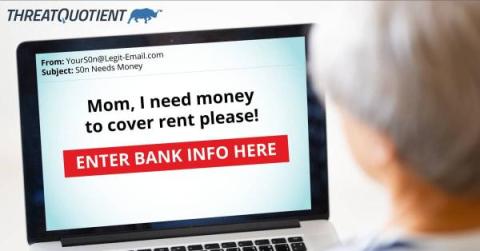
Understanding Social Engineering Social engineering is a psychological manipulation technique used by cybercriminals to deceive individuals into divulging confidential information, performing specific actions, or making financial transactions. These attacks prey on human psychology rather than exploiting technical vulnerabilities. Social engineering attacks can take various forms, and email is a common vector for such schemes.

The Importance of Email Archiving

One of the primary reasons for email archiving is legal compliance. Many industries and organizations are subject to various regulations and laws that require them to retain certain types of electronic communication, including emails. Failing to comply with these regulations can result in severe penalties, fines, and legal consequences. By implementing email archiving, you ensure that your organization is well-prepared to meet these requirements. Litigation Support.

Lazarus Attack on Spanish Aerospace Company Started with Messages from Phony Meta Recruiters

A recent attack on an undisclosed Spanish aerospace company all started with messages to the company's employees that appeared to be coming from Meta recruiters, via LinkedIn Messaging. ESET researchers uncovered the attack and attributed it to the Lazarus group, particularly a campaign dubbed Operation DreamJob. This campaign by the Lazarus group was aimed at defense and aerospace companies with the goal of carrying out cyberespionage.

How To Protect Against Phishing

Phishing is a malicious attempt to trick you into revealing sensitive information such as passwords, credit card numbers or personal details. Cybercriminals often disguise themselves as familiar and trustworthy individuals or companies, making it crucial to be vigilant. Learn more about creating strong passwords and protecting yourself on line with Keeper.

See what threats are lurking in your Office 365 with Cloudflare Email Retro Scan

We are now announcing the ability for Cloudflare customers to scan old messages within their Office 365 Inboxes for threats. This Retro Scan will let you look back seven days and see what threats your current email security tool has missed.

ZeroFont trick makes users think that message has been scanned for threats

It's nothing new for cybercriminals to use sneaky HTML tricks in their attempt to infect computers or dupe unsuspecting recipients into clicking on phishing links. Spammers have been using a wide variety of tricks for years in an attempt to get their marketing messages past anti-spam filters and in front of human eyeballs. It's enough to make you wish that email clients didn't support HTML at all, and that every message had to be in plaintext email.