Security | Threat Detection | Cyberattacks | DevSecOps | Compliance

Android Component Security: Common Misconfigurations That Expose Mobile Apps

When teams think about Android app security, the focus is usually on code for encryption, obfuscation, or binary protection. But in practice, many of the most critical Android app vulnerabilities don’t originate in code at all. They come from misconfigurations. Issues in the AndroidManifest, insecure component exposure, and unsafe inter-app communication often create direct entry points for attackers. These are not edge cases. They are common, repeatable, and frequently exploited.

Gemini XSS Vulnerability: When AI Executes Malicious Code

Artificial intelligence is no longer just generating text. It generates and executes code in real time. With tools like Google Gemini, features such as code canvases and live previews are turning AI systems into interactive execution environments. This shift introduces a new and rapidly growing category of risk: AI security vulnerabilities tied to real-time code execution.

4 Phases, 357 Crashes, 2 Bugs: What AFL++ Campaign Actually Looks Like

357 crash files. 2 real bug sites. That’s the outcome of this AFL++ campaign after roughly 8.5 billion executions across multiple harnesses, binaries, and phases. At first glance, everything looked like success. Crashes were increasing steadily. New inputs were being generated every few seconds. Coverage appeared to improve over time. From a surface-level perspective, the campaign looked productive. Then triage began.

The 4 best Trust Center products for 2026

Accelerating security solutions for small businesses‍ Tagore offers strategic services to small businesses. A partnership that can scale‍ Tagore prioritized finding a managed compliance partner with an established product, dedicated support team, and rapid release rate. Standing out from competitors‍ Tagore's partnership with Vanta enhances its strategic focus and deepens client value, creating differentiation in a competitive market.

Axios npm package compromised to deploy malware

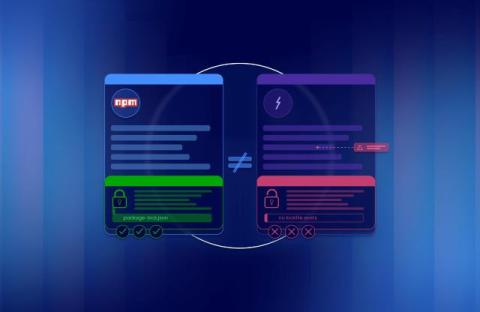
On March 30, 2026, a supply chain security attack targeted Axios, a widely used JavaScript HTTP client for web and Node.js applications. Third-party researchers identified that Axios versions 1.14.1 and 0.30.4 published to the npm registry were compromised following the apparent takeover of a legitimate maintainer account. An attacker published unauthorized package updates that appeared legitimate.

The Cybersecurity Trust Reality in 2026

New Sophos survey reveals only 5% of IT leaders say they fully trust their cybersecurity vendors When organizations select a cybersecurity vendor, they’re placing critical operational resilience — people, data, and revenue — into that supplier’s hands. Yet despite this reliance, most organizations lack confidence in the vendors they depend on to keep them secure, according to new Sophos research.

The High Cost of Low Trust: Our Commitment to Radical Transparency

Only 5% of organizations fully trust their cybersecurity providers. Let’s do better. In our industry, trust isn't an abstract concept. It’s the currency of cybersecurity – the foundation of every partnership we build and every protection we provide. However, a recent independent, vendor-agnostic survey of 5,000 cybersecurity decision-makers across 17 countries reveals a stark reality: we’re facing a trust crisis.

How to Plan for Unexpected Medical Emergencies

Nobody expects that phone call. One moment you're standing in the kitchen, and the next, someone you love is being rushed out the door on a stretcher. Here's the uncomfortable truth, unexpected medical emergencies hit ordinary families constantly, and most of those families aren't remotely prepared. Research confirms that 33% of people who recently lived through a medical emergency believe better daily support and planning could have prevented it altogether.. A thoughtful plan doesn't just sharpen your response, it can reduce whether a crisis ever unfolds in the first place.