Security | Threat Detection | Cyberattacks | DevSecOps | Compliance

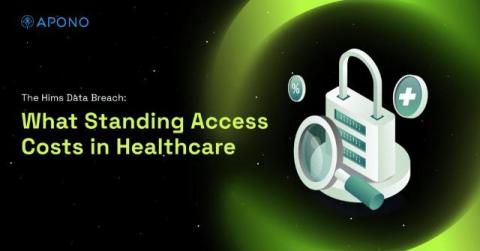
HIPAA Violation Penalties - Most Recent Updates

Think of your website as the front desk of your clinic. You wouldn’t let vendors set up recording equipment in your waiting room without contracts. But that’s precisely what happens when tracking pixels, session replay, and chat tools run on patient-facing pages without Business Associate Agreements.

Why Website Cloning Attacks Evade Brand Protection (and How to Stop Them)

Website cloning attacks are a form of digital impersonation where threat actors replicate a company’s legitimate website to deceive users, harvest credentials, or redirect payments, often before enterprises even realize a clone exists. These attacks exploit brand trust at scale, turning familiarity into a weapon against customers.

Shadows in the Shortcut: UNC6384's Silent Siege on European Diplomacy

In the autumn of 2025, well-crafted emails landed in inboxes with subject lines that read like routine diplomacy: invitations to regional workshops, follow-ups on border-facilitation talks, agendas for logistics and procurement. The attachments looked ordinary — a short, convenient file that promised to open a document or shortcut to a resource. But inside those tiny shortcuts lived a trap.

How Subtle Flaws in Django's ORM Threaten Data Integrity and Demand a Security Shift

Robust web application development in Python: Django has long been a go-to for rapid, rich ORM, built-in security features, intuitive model definitions, and a mature ecosystem. It gives developers the confidence that many common web vulnerabilities are already handled if you follow the framework’s recommended patterns.

How the Falcon Platform Delivers Fast, CISO-Ready Executive Reports

Most exposure reporting is still slow, error-prone, and disconnected from reality. Analysts spend hours collecting and formatting data using different tools that produce conflicting priorities. Reports are bloated with raw CVE lists that lack context and rarely connect to business impact. They are often delayed, arriving after the adversaries have moved. While teams struggle with outdated reports, adversaries are seeking new ways to gain initial access.

Phishing Emails Use Invisible Hyphens to Avoid Detection

A phishing campaign is using invisible characters to evade security filters, according to Jan Kopriva at the SANS Internet Storm Center. The emails use soft hyphens to break up the subject line “Your Password is About to Expire” so the messages aren’t flagged as malicious. The email client doesn’t render the hyphens, however, so the user sees a normal sentence.

A multi-cloud BCP approach for CPS 230 compliance using CloudCasa

When Amazon Web Services’ US-East-1 region went down recently, a long list of global apps and services went with it. For most companies, that meant a few hours of frustration. For APRA-regulated financial institutions in Australia, an outage like that is something much more serious — a compliance and operational-resilience test under CPS 230, which is now in force as of July 2025.

Difference Between TPM and HSM Security

A Trusted Platform Module (TPM) is a microcontroller designed to increase the levels of protection for computers, smartphones, and other devices through built-in security support that offers the necessary cryptographic operations. TPMs are unlike other software-based security; they provide a hardware-bound security, thus, it becomes nearly impossible for the attacker to tamper with the protected keys and information stored within the TPM.

The Role of AI Security Agents in Modern Exposure Management

AI security agents are reshaping how organizations manage exposure. This blog explores where they deliver the most impact — from smarter prioritization to faster ownership mapping and assisted remediation — and how this shift moves security teams from automation to autonomy.