Security | Threat Detection | Cyberattacks | DevSecOps | Compliance

5 Step Guide: How to Perform a Cyber Risk Analysis in 2021

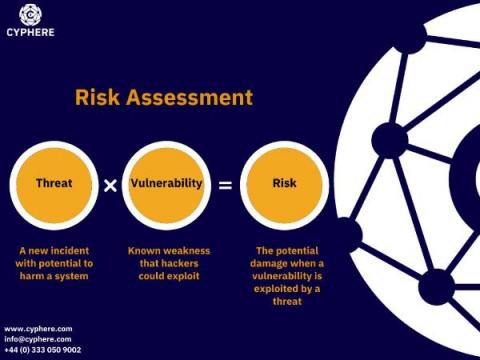
No organization is impervious to cyberattacks. But what separates resilient businesses from data breach victims is superior risk management. Resilience is achieved through the meticulous calculation of all potential risks and the application of necessary control measures to mitigate them. In this post, we present a 4-step framework for a reliable risk management plan.

Best Practices for Trusted Third-Party Risk Management

Third parties are a necessary part of your enterprise. They are your vendors, your suppliers, your contractors, and your partners. Without them, you can’t do business. Third parties provide cloud services, store sensitive data, and provide other important services. Unfortunately, third parties are also a major source of cyber risk. Cybercriminals often target third-party providers to target their clients’ data and networks, such as the notorious SolarWinds breach at the end of 2020.

Open Source Risk Management in the Financial Sector

Banking has changed. In the past, financial institutions outsourced their technology. They had large consulting firms creating, managing, and maintaining their back-end systems. Although banks would have knowledge of the systems in place, they wouldn’t be running them on a day-to-day basis. That was the consultants’ responsibility. Recent years have seen a significant shift in the financial sector.

What are the Types of Risk Assessments and When to Use Them?

Creating a cyber-resilient organization means understanding your security risks and how to mitigate them. However, the cybersecurity risk’s continuously shifting nature makes it challenging for organizations to choose the right risk assessment strategy. By understanding the types of risk assessments and how to use them, you can make better-informed decisions.

What You Need to Know About NERC CIP Compliance

Utility companies are increasingly being targeted by cybercriminals. Although the highest profile utility cyber attack in recent memory was the May 7 ransomware attack on Colonial Pipeline that caused gas shortages on the East Coast, power companies of all kinds are popular with criminals for a reason: they can’t afford a shutdown and they have the money to pay a ransom.

Common Types of IT Security Risks: How to Prevent them?

Many different types of IT security risks can affect a business. It is essential to know about the implications, how cyber risks can be identified and what you need to protect against them. In this connected world, cyber attacks are a common occurrence. As long as the internet exists, there will be information security risks and malicious attacks that come with it. Ranging from minor nuisances to devastating consequences, hackers never seem to stop attacking your data!

Arctic Wolf Managed Risk

Arctic Wolf Managed Risk enables you to discover, benchmark, and harden your security across your networks, endpoints, and cloud environments. At the core of Arctic Wolf Managed Risk is our Concierge Security Team, providing you with personal security experts who deliver a quantified, real-time understanding of your cyber risk. From technical vulnerabilities like software defects and system misconfigurations, to unsafe practices like reusing passwords, our Concierge Security Team helps focus your team’s efforts to quickly improve your security posture and reduce risk.

What is the CIA Triad? Definition, Importance, & Examples

Confidentiality, Integrity, and Availability. These are the three core components of the CIA triad, an information security model meant to guide an organization’s security procedures and policies. While people outside the information security community might hear the phrase CIA Triad and think “conspiracy theory,” those in the cybersecurity field know that the CIA Triad has absolutely nothing to do with the Central Intelligence Agency.

What is IoT Security? 6 Ways to Protect Your Devices

The Internet of Things (IoT) is a growing concern for today’s digitally-focused businesses. Every connected device you own can add another security concern to your list. If it collects and stores personal information and data, you’ve just added another attractive target for criminals to access your network. In fact, 57% of IoT devices are vulnerable to medium or high-severity attacks.