Security | Threat Detection | Cyberattacks | DevSecOps | Compliance

KillNet Utilizes CC-Attack: A Quick & Dirty DDoS Method

During the course of 2022, SecurityScorecard has been tracking multiple DDoS campaigns that have been targeting entities within the Ukrainian government, as well as other European government targets that are perceived to be allied with Ukraine government interests. One of the groups at the forefront of these DDoS attacks is the hacking collective known as KillNet.

5 Ways to Effectively Prevent Data Leakage

Nowadays, it’s common to hear about yet another high-profile security breach in which critical data is leaked, resulting in damage to the organization’s reputation and bottom line. Unfortunately, it's impossible to remove all risks in your organization but there are ways to best protect against them and improve your security posture.

Remediation Requests within RIsk Assessments Demo with Senior Product Manager, Chris Schubert

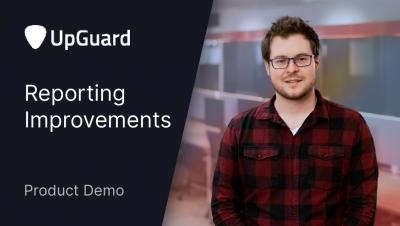
Hear from UpGuard's Senior Product Manager, Chris Schubert, as he introduces you to UpGuard's new Remediation Requests within Risk Assessments feature. You can now also send remediation requests from within risk assessments, enabling you to track the progress of each item under remediation and have a record of the remediation request embedded directly into the point-in-time risk assessment.

Vendor Portfolios Demo with UpGuard's Product Marketing Lead, Harsh Budholiya

Learn from UpGuard's Product Marketing Lead, Harsh Budholiya, as he introduces you to UpGuard's new Vendor Portfolios feature. Vendor portfolios provide security teams greater control over user permissions by giving them the ability to define access to all or selected portfolios for each user on the platform based on their role in the organization.

Jira Integration Demo with UpGuard's Product Marketing Manager, Annie Luu

Hear from UpGuard's Product Marketing Manager, Annie Luu, as she introduces you to UpGuard's new Jira Integration feature. UpGuard's Jira integration plugs directly into your workflow management, giving you the flexibility to present only the information you want to the relevant people to address security risks promptly. =========== CHAPTERS:=========== Interested in finding out more about UpGuard?

CISO Insights: The Power of Risk Intelligence

In today’s digitally-connected world, cyber risk is no longer a matter of probabilities, but certainties. This requires CISOs to rethink their reactive risk management program by evolving to embrace a proactive risk intelligence approach. With a risk intelligence-informed program, CISOs and their teams can continuously collect insights in a way that enables proactive, holistic, and data-driven decisions about security.

Security Ratings Recognized in NIST Cyber Supply Chain Risk Management Update

On May 5, 2022, the National Institutes of Standards and Technology (NIST) formally recognized outside-in third party security ratings and vendor risk assessment in their update to Special Publication 800-161. This update to federal standards specifically cites security ratings as a “foundational capability that "provide 14028." NIST SP 800-161 was designed to standardize supply chain risk management best practices for federal agencies and industry.

5 Historic Third Party Breaches

Third-party data breaches are one of the most concerning issues in cybersecurity today. You need your third parties to do business, but you can’t always trust (or verify) that their cybersecurity controls are as strong as they say, no matter how many questionnaires you send out. And of course, cybercriminals know that by hitting vendors rather than every single company separately, they can get the most ill-gotten gains for their effort.

Monitoring Data Risks & Investigating Threats Faster With the Rubrik Data Observability Engine

Why is it that the most impressive technologies are often the ones that go unnoticed? Sometimes what makes technology impressive is precisely that it goes unnoticed, and that is the case with the Rubrik Data Observability engine. As ransomware continues to grow as a real, costly, and persistent threat to conducting business, organizations are looking for smarter and faster ways to keep data safe and recover easily in the face of cyber attacks.