Security | Threat Detection | Cyberattacks | DevSecOps | Compliance

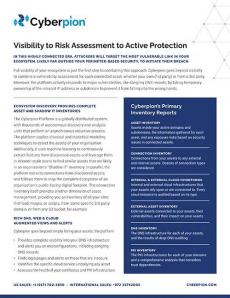
Visibility to Risk Assessment to Active Protection

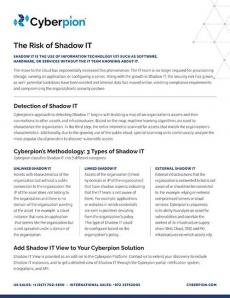
Full external attack surface visibility is just the first step to safeguarding your organization. Cyberpion goes beyond visibility to combine an attack surface vulnerability assessment for each connected asset, whether your own (first party) or from a third party. Moreover, the platform actively responds to major vulnerabilities, like dangling DNS records, by taking temporary ownership of the relevant IP address or subdomain to prevent it from falling into the wrong hands.

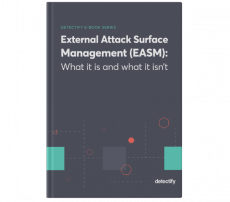
External Attack Surface Management (EASM): What it is and what it isn't

The External Attack Surface Management market category only emerged in mid-2021 but is already seeing significant product development and evolution growth. This e-book demystifies some of the information around EASM - especially its relation to other attack surface management (ASM) product categories and how product security teams can leverage EASM to go beyond asset discovery and inventory.

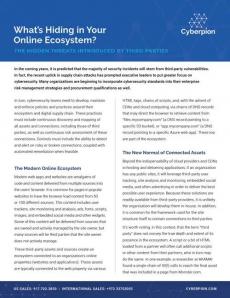
What's Hiding in Your External Attack Surface?

Cybersecurity teams need to develop and maintain a set of practices around their online attack surface. These practices must include attack surface visibility and mapping of third-party connections as well as constant assessment of the risks of these connections. Controls must include the ability to detect and alert on risky or broken connections, coupled with automated remediation when feasible.

Assessing the Value of Network Segmentation from a Business Application Perspective

The concept of micro-segmentation as an approach to cloud-native security has gained traction among security experts but being able to deliver it operationally is still seen as work in progress by network and SecOps teams. This research looks at the current state of micro-segmentation and sheds light on the merits of an application-centric approach to its use in enterprise environments. Its main topics delve into the core issues that dominate the cybersecurity conversation today.