Security | Threat Detection | Cyberattacks | DevSecOps | Compliance

3 Principles to Safely Scale Agentic AI

AI is moving from experimentation to execution. What started as copilots is quickly evolving into autonomous AI agents that can make decisions, execute tasks, and operate across enterprise environments. As organizations accelerate adoption of agentic AI, they’re expanding their attack surface in ways traditional security models weren’t built to handle.

Is platform engineering just DevOps with a new name, or is something operationally different happening?

Platform engineering is the practice of building and maintaining a centralized internal developer platform (IDP), a curated set of tools, workflows, and self-service capabilities that application teams consume rather than configure on their own. It's a structural response to how DevOps practices evolve at scale, particularly when "you build it, you run it" introduces more cognitive load than individual development teams can sustainably manage.

How miniOrange User Sync/SCIM Automates User Provisioning for Atlassian

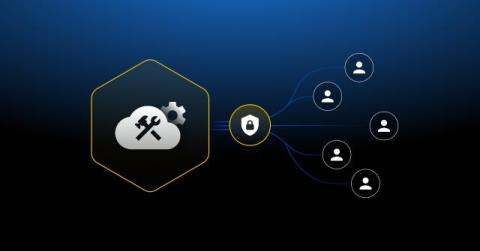
Managing users in Atlassian manually, especially with large numbers of users, is time-consuming and error-prone. It’s inconvenient, but more importantly, it introduces major security risks in case an ex-employee still has access. Also, there’s no point in paying for extra licenses. miniOrange User Provisioning for Atlassian addresses this. It synchronizes users, groups, and directories directly from their identity providers into Jira and related Atlassian applications.

How to Send Files Securely Online

If you need tips, services, and more information on how to securely send files online, these tips and file-sharing services will help you get the best security and privacy to share personal or confidential documents online. We will cover the following topics throughout this article: If you need a quick, secure, and private way to share files, Internxt Drive and Send offer end-to-end encrypted file sharing with features such as password protection, allowing you to share any file securely and privately.

Automation, Intent, and Ownership: What to Learn from the AI Agent Security Summit

When the AI Agent Security Summit launched in San Francisco last October, agent-based threats had already escalated from a novel consideration to a predominant blocker for enterprise adoption. The security community was laser-focused on recognizing and minimizing the blast radius posed by agentic vulnerabilities, whether that meant indirect prompt injection, MCP poisoning, or hallucinations.

How to Eliminate Shared Database Passwords: MySQL, PostgreSQL, and More

Traditionally, engineers have relied on shared database passwords. When someone needs to run a query, they either already have standing access granted via a static credential everyone on the team knows, or someone has to scramble to create a quick workaround. Every new user, exception rule, or port forward through a bastion host becomes a “just this once” fix.

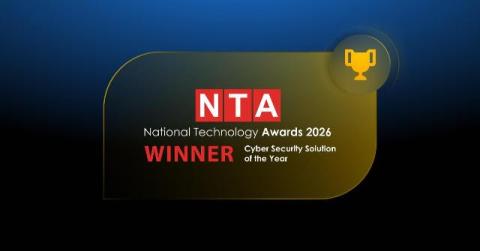
Keeper Security Named Cyber Security Solution of the Year at the National Technology Awards

Keeper Security has been named Cyber Security Solution of the Year at the 2026 National Technology Awards, recognising the company’s continued innovation in enterprise cybersecurity and identity protection. Hosted by National Technology News, the National Technology Awards celebrate organisations and technology leaders driving excellence, innovation and transformation across the UK technology sector.

What is an MSSP in Cybersecurity?

A Managed Security Service Provider (MSSP) in cybersecurity is a third-party organization that remotely manages and secures a client’s IT systems, networks and data. MSSPs provide cybersecurity services, including threat monitoring, incident response and compliance support. By outsourcing these functions, organizations can improve their security posture and reduce the burden on internal teams without requiring a large in-house security operations team.

ITDR automation best practices for security teams

ITDR automation best practices close the gap between when identity detection fires and when containment executes. Most programs detect identity attacks reliably but route the response to a human queue, turning active defense into a forensics workflow. Pre-built playbooks tied to high-confidence detection rules, plus protocol-layer blocking, are what convert ITDR from alert generation into attack containment. Identity-based attacks progress in minutes.