Security | Threat Detection | Cyberattacks | DevSecOps | Compliance

What is NIS 2? A guide to navigating compliance requirements

The Network and Information Security (NIS) directive was introduced in 2016 to outline cybersecurity obligations across the EU and enable operational resilience for in-scope organizations. In 2020, the European Commission proposed the directive’s revision, which led to the formal adoption of NIS 2 in 2022. ‍ In this guide, we answer the common question of organizations impacted by the directive—What is NIS 2?

ISO 27001 and NIS 2: Key differences explained

ISO 27001 is a globally recognized standard for building robust information security management systems (ISMS). The standard is closely aligned with NIS 2—a mandatory EU directive designed to fortify the cybersecurity posture of critical infrastructure among Member States. ‍ These two frameworks form a unique symbiotic relationship due to the potential overlap in the requirements and controls.

DORA and NIS 2: Importance and key differences explained

The Digital Operational Resilience Act (DORA) and the Revised Network and Information Systems (NIS 2) are two of the latest EU cybersecurity regulations designed to fortify the security posture and cyber resilience of in-scope entities. ‍ Both regulations share the same general purpose of increasing their respective sectors' overall transparency and security. Still, their approaches to this goal vary in several key aspects you’ll learn about in this guide.

How to build security policies that work for people-not just compliance

Strong security policies are the foundation of any successful security program. Before jumping into tools like Vanta to manage and automate your policies, it’s crucial to get the basics right—starting with how those policies are created, adopted, and aligned with compliance controls. ‍

Guide to working with auditors: Best practices for startups

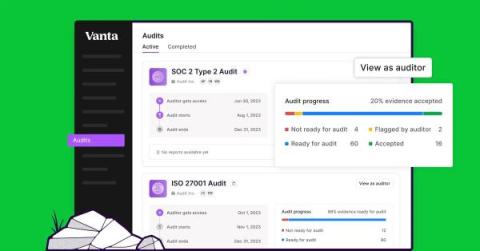
Navigating an audit can be complex and time-consuming, but the right preparation and approach can make the process much smoother. Whether you're working toward SOC 2, ISO 27001, or another framework, knowing when to engage auditors, how to provide access, and what to focus on during the audit will set you up for success. ‍ In this guide, we’ll walk through best practices for working with auditors—from initial engagement to ongoing audit management and post-audit steps. ‍

Who needs to comply with NIS 2? Scope, requirements, and penalties explained

NIS 2 is a new EU directive that establishes a unified cybersecurity framework for specific organizations within Member States. Compared to the original NIS directive, the scope has been expanded, and compliance is mandatory for in-scope organizations. ‍ The broader scope means that while NIS 2 is EU-specific, some organizations outside the Union may also be subject to its requirements.

An essential guide to GDPR compliance for SaaS companies

If your SaaS platform collects, processes, or stores EU residents’ data, GDPR compliance is essential to avoid regulatory issues, legal escalations, and operational interruptions. ‍ Due to GDPR’s comprehensive nature, ensuring compliance can be challenging—especially without adequate guidance. ‍ This guide provides granular information to help you start working toward GDPR compliance as a SaaS platform owner. We’ll cover: ‍

The EU AI Act: Key deadlines, risk levels, and steps to prepare

The EU AI Act is one of the world’s first comprehensive regulations aimed at AI-based systems. While we had voluntary standards like ISO 42001, the Act introduced mandatory requirements that in-scope organizations must meet to avoid considerable fines and operational disruptions. ‍ If you develop, use, or distribute AI systems, you may have to meet the obligations prescribed by this directive. Our EU AI Act summary will help you do so by covering: ‍

The founders guide to accelerating growth with compliance in ANZ

For founders of early-stage startups in Australia and New Zealand, growth is the ultimate goal. You’re focused on building an exceptional product, winning customers, and scaling fast. But one thing that should also be on your radar is security compliance. ‍ The reality is, compliance isn’t just about meeting legal requirements or ticking a box when an enterprise customer asks for certifications. It’s a strategic advantage.