Security | Threat Detection | Cyberattacks | DevSecOps | Compliance

Inside the Mind of a 'Rat' - Agent Tesla Detection and Analysis

Agent Tesla is a remote access trojan (RAT) written for the.NET framework that has knowingly been in operation since 2014. Threat actors behind this malware have leveraged many different methods to deliver their payload over time including macro enabled Word documents, Microsoft Office vulnerabilities, OLE objects and most recently, compiled HTML help files.

Network Security 101: A Brief Intro to Securing Networks

We live in a world of rapid technological advancements. Technologies such as big data, the internet of things (IoT) and artificial intelligence have created a world full of opportunities and solutions. However, it has also opened doors to increased threats, cyberattacks and network vulnerabilities. This post will explain network security, including relevant concepts and issues, as well as best practices that can your organizations secure all your networks and surfaces.

Cyber Kill Chains Explained: Phases, Pros/Cons & Security Tactics

Sometimes referred to as CKC or the cyberattack lifecycle, the cyber kill chain is a security defense model developed to identify and stop sophisticated cyberattacks before they impact an organization. Typically comprised of seven steps, a cyber kill chain model breaks down the multiple stages of a cyberattack, allowing security teams to recognize, intercept or prevent them.

Vulnerability Management: The Beginner's Guide

As available software on the market increases, so do vulnerabilities. When a company's system is weak due to vulnerabilities in the software it uses, attackers take advantage of the situation to: This, in turn, causes the company to lose customers, reputation and money. To reduce threats, network personnel and system administrators are always on the front line, constantly patching the organization's software and operating systems. But to what end?

Six SIEM Essentials for Successful SOCs

A few weeks ago, Gartner named Splunk Enterprise Security a Leader in the 2022 Gartner® Magic Quadrant™ for SIEM. This is the ninth consecutive year that Splunk has been placed in the Leader’s quadrant. We’re honored to be recognized and we believe our placement is a testament to our commitment to delivering a data-centric security analytics solution that accelerates threat detection and investigations.

The people have spoken and Splunk wins twice at the ITAwards

You know that us Splunkers love to go deep into use cases and figure out what helps our customers the most. However in today’s business world, industry recognition goes a long way in proving the value in the products and services we use. For example if you were Munich Airport, then it would speak volumes to others if your airport was named as a “First Five-Star Airport” or if you were Dachser Logistics and went on to win the “One Eaton Supplier Premier Award”.

Splunk Security with the Infosec App

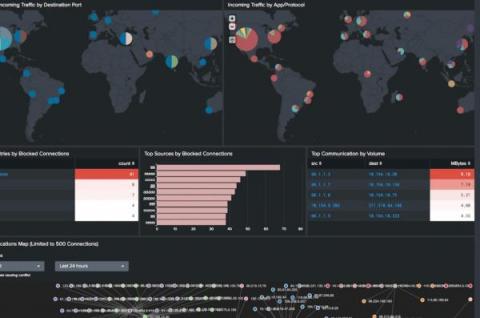
There's so much that can be accomplished with Splunk’s security tools. Today, we are going to focus on all the benefits of the InfoSec App for Splunk. The InfoSec app — which is an entitlement to Splunk customers — is powered by the Splunk platform, and relies on accelerated data models and the Common Information Model (CIM) to provide a consistent and normalized view into the event data that you’ll bring into Splunk.

Dark Crystal RAT Agent Deep Dive

The Splunk Threat Research Team (STRT) analyzed and developed Splunk analytics for this RAT to help defenders identify signs of compromise within their networks. Remote Access Trojans (RATs) are one of the most common tools used by threat actors as a malicious payload to attack targeted hosts and steal information. One example is the Dark Crystal RAT (DCRat) that is capable of remote access, post exploitation and data exfiltration.