Security | Threat Detection | Cyberattacks | DevSecOps | Compliance

What is Cyber Hygiene? Definition, Benefits, & Best Practices

You’ve likely been practicing good personal hygiene since childhood, but have you heard of cyber hygiene? Similar to personal hygiene practices which maintain good health and well-being, cyber hygiene practices maintain the health and well-being of your sensitive data and connected devices. This blog will define cyber hygiene, discuss the importance of maintaining cyber hygiene and explore best practices for ensuring cybersecurity.
Past as a Prologue: What Users can Expect with 2022 Cyber Threats

The cyber risk landscape changes quickly. In the last few years we’ve seen a rise in the number of ransomware attacks, and the end of 2021 was marked by the Log4J vulnerability. As data stacks get bigger and more difficult to defend, you may be wondering what threats are on the horizon in 2022. Based on what we’ve seen so far, the coming year’s risks are likely to be fairly familiar.

How Cybercriminals are Leveraging Weaponized AI for Cyber Attacks

In the world of cybersecurity, artificial intelligence (AI) has changed the way we discover, respond, and recover from cyberattacks. But despite the several advancements of AI in cybersecurity, cyberattacks are becoming more and more dangerous because of AI. Cybercriminals are now leveraging existing artificial intelligence tools and AI-based technologies for use in their own attacks, and as a result, cyber threats and attacks are becoming harder to prevent.

What is a Whaling Attack (Whaling Phishing)? Definition & Examples

According to the FBI Internet Crime 2020 Report, phishing scams were the most prominent attack in 2020 with 241,342 complaints reported and adjusted losses of $54 million. In particular, whaling (a highly targeted phishing attack) has been on the rise and is only expected to grow from here. A whaling attack targets high-profile executives with access to valuable information and systems. Let’s take a closer look at whaling attacks and how to stay protected.

25 Common Types of Malware & How To Identify Them

Viruses, worms, ransomware — even the least tech-savvy among us know what these are, and want to avoid them if at all possible. What do they all have in common (besides the fact that they can lock up your devices and attempt to steal your data)? They all fall under the malware umbrella.

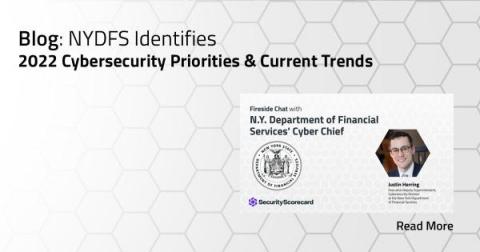
New York Department of Financial Services Identifies 2022 Cybersecurity Priorities and Current Trends

In a recent webinar, SecurityScorecard hosted Justin Herring, Executive Deputy Superintendent, Cybersecurity Division of the New York Department of Financial Services (DFS), and Luke Dembosky, Partner and Co-Chair of the Data Strategy & Security practice at Debevoise & Plimpton, to discuss DFS’s top cybersecurity priorities this year, current enforcement and to examine trends, and the regulatory environment around cybersecurity in 2022.

SecurityScorecard Joins the IT-SCC

I am excited to share that SecurityScorecard is now formally a member of the Information Technology Sector Coordinating Council (IT-SCC). Established in 2006, the IT SCC is the principal entity for coordinating with the government on a wide range of critical infrastructure protection activities and cybersecurity issues.

How to Manage Your Security in A Hybrid World: 15 Cybersecurity Tips & Best Practices

The hybrid workplace is here to stay. If the past couple of years have proved anything, it’s that many workers enjoy working remotely, or like the flexibility of working from home part-time. Organizations also appreciate the benefits of a hybrid workplace; according to Gartner, 48% of employees will likely work remotely at least part of the time after COVID-19, as opposed to the 30% of employees who did so before the pandemic.

How to Secure Personally Identifiable Information (PII)

PII, or Personally Identifiable Information, is any information that directly or indirectly identifies an individual, such as name, address, payment information, or contact information. The U.S. The Department of Homeland Security defines a second category of PII: Sensitive PII, which includes Social Security Numbers, driver’s license numbers, Alien Registration numbers, financial or medical records, biometrics, and criminal history.

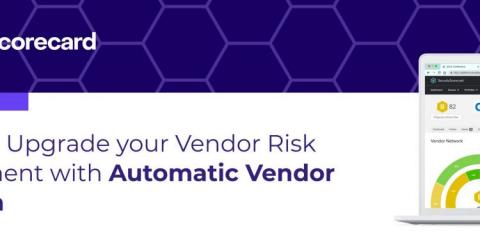
3 Ways to take your Third- and Fourth-Party Risk Management to the Next Level with Automatic Vendor Detection

Vendors are a key part of every business and, therefore, every organization’s security. Yet, one of the biggest challenges for security and third-party risk management teams is tracking down their vendors. It’s no wonder that 65% of organizations don’t know which third parties have access to their most sensitive data. On top of that, vendor risk management teams need to worry about who their vendors’ vendors are – namely their fourth parties.