Security | Threat Detection | Cyberattacks | DevSecOps | Compliance

6 Incident Response Best Practices You Should Follow

When it comes to cybersecurity, organizations need to be well-prepared for what comes next. Not only are cybercriminals leveraging ever more advanced technology, but the cost of a breach — in terms of cost, reputation, and damage — is on the rise. Mitigating risk requires having a robust incident response plan in place and dedicated team members on standby. Let’s take a closer look.
Incident Response vs. Disaster Recovery: Key Differences

As cybercrimes and security breaches become more sophisticated, data protection strategies have become more important to business survival. A critical element in an organization’s ability to effectively handle these incidents is to reduce downtime and minimize damage. This is where an effective incident response and disaster recovery plan comes into play.

What is Cloud Security Posture Management (CSPM)?

Businesses are moving their data to the cloud to reduce costs and increase their agility. As more applications and data migrate to the cloud, the risk of sensitive data and applications being exposed dramatically increases. In addition, as organizations deploy applications and services in different cloud environments, maintaining security and compliance across the board is becoming more complex than ever before.

What is Vendor Tiering? Tips to Improve Your Vendor Risk Management

Over the last few years, supply chain attacks have increased in number and sophistication. As companies accelerate their digital transformation strategies, managing third and fourth-party risk and a complete look into their security posture becomes more important to securing data and meeting mission-critical compliance requirements. According to one survey, 60% of security leaders plan to deploy supply chain security measures in 2022.

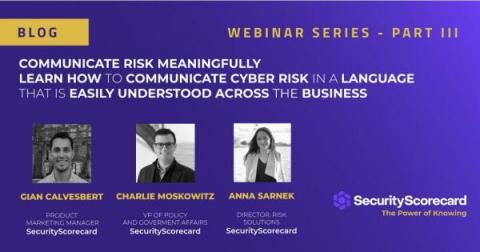
The Value of Communicating Risk Meaningfully Across the Business

While cybersecurity might be under the umbrella of IT, make no mistake: a breach will impact the entire business, making it the entire organization’s responsibility to be able to understand and take action on risk. This means that your organization needs to have a holistic view of risk that can enable the risk intelligence required to not only have technical discussions, but business conversations about cyber risk.

Penetration Tests of Newly Released Web Applications

Running penetration tests of a mature web application is always a great challenge. Systems are usually well hardened, and scanners fall short of flagging anything interesting, requiring an experienced security engineer to identify vulnerabilities using advanced exploitation methods. On the other side, some applications are going for their first release ever or release after a major code change.

Mitigating Cyber Threats With Continuous Monitoring

The supply chain for organizations has become increasingly susceptible to unplanned cybersecurity interruptions that negatively impact revenue, inventory, and consumer confidence. As a result, there has been an increasing focus on understanding how critical services are delivered, the reliance on third parties and fourth parties, and key risk controls that can be implemented to mitigate the risk of cyber security incidents.

Signs Your Cyber Loss Control Isn't Working

Most cyber insurance policies include a form of value-added service meant to help policyholders avoid cyber incidents. These services create differentiation in the market for insurers and help the bottom line. In fact, a recent survey of cyber insurers found that risk engineering services are a bigger driver of profitability than underwriting accuracy. Yet, we know that the dynamic nature of cyber risk has insurers struggling to keep up and new approaches to evaluating that risk are needed.

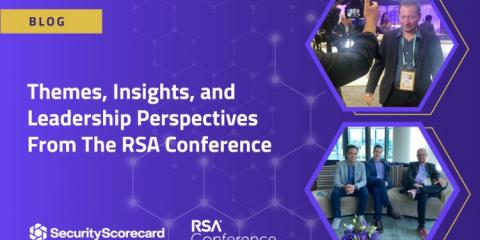
Themes, Insights, And Leadership Perspectives From The RSA Conference

SecurityScorecard joined U.S. cybersecurity leaders and the cybersecurity community at the 2022 RSA Conference in San Francisco, California from June 5-9. The RSA Conference is one of the world’s leading cybersecurity events, and SecurityScorecard was proud to join our community in-person at San Francisco’s Moscone Center.

The 1st 48 hours (after a cyber incident)

From small school districts and not-for-profit organizations with limited cyber defense budgets to major Fortune 500 companies with sophisticated cyber defense teams, understanding what to do in the first 48 hours following a significant cyber event is essential in protecting your organization and limiting the potential damage.