Security | Threat Detection | Cyberattacks | DevSecOps | Compliance

Watering Hole Attacks: What They Are and How to Prevent Them

Hackers often lurk around the most popular websites, looking for ways to exploit users. These sites include ticket purchasing, travel, e-commerce, and banking. Watering hole attacks continue to become a genuine threat to any user who frequently visits popular sites.”Hackers use malware, browser exploits, and DNS poison to lure users into exposing their login credentials or clicking on a malicious link.” Has a watering hole attack compromised your credentials, email, or phone?

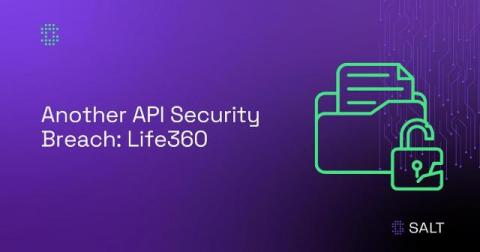
Life360 Data Breach Exposes Over 400,000 User Phone Numbers

A significant data breach has compromised the personal information of 442,519 Life360 customers due to a vulnerability in the company's login API. The breach, discovered in March 2024, has exposed sensitive user details, including email addresses, names, and phone numbers. This incident underscores the critical importance of robust cybersecurity measures, particularly for services handling vast amounts of personal data. Exploiting an Unsecured API Endpoint.

Pyramid Scheme: What Is it and How Does It Work?

Pyramid schemes are one of the world's most well-known forms of financial fraud. For many years, they have victimized people who trust the promises of quickly making easy and significant profits. The frightening thing about these schemes is that they are built on a "business model" doomed to collapse. It is essential to understand what principles the pyramid operates in to be able to reveal and then avoid involvement in such a scam.

6 Steps on How to Respond to a Data Breach Before it Ruins Your Business

Too many consumers have awoken one morning to find messages from a retailer or their bank detailing purchases made through their account of which they were unaware. While the realization that they have been hacked will cause some well-deserved panic for the account holder, it usually only takes a few phone calls to cancel purchases, change a password, and cancel a credit card to put a stop to the problem.

What is Hashing and How Does It Work in Cyber Security?

Hashing transforms a key or set of characters into a unique value from the original input, all for cybersecurity data validation and integrity checking. Hashing is a one-way process based on creating a value to associate with a specific data set. Security solutions providers like IDStrong use the highest level of hashing and encryption to protect their users' information. Organizations like IDStrong understand how critical safeguarding their consumer’s credentials is.

The CIA Triad: Confidentiality, Integrity, and Availability

The confidentiality, integrity, and availability (CIA) triad is a critical concept in cybersecurity, including three fundamental principles that help protect information. Organizations seeking a starting point for developing an information security framework would benefit from the triad model.

What is Protected Health Information (PHI)? And why is it important?

“Safeguarding personal health information (PHI) is governed under the Health Insurance Portability and Accountability Act (HIPAA).” Protecting identifiable health data is the responsibility of everyone who comes into contact with it, including covered entities. Healthcare providers, health plan companies, school districts not covered under FERPA, universities, employers, and federal, state, and local government agencies are mandated to protect PHI data from any security risk.

What is a Ponzi Schemes: History and Examples

Ponzo schemes continue to grow in complexity and notoriety. These schemes are not transactions or one-time hacks. “Ponzi schemes are fraudulent business operations that promise high returns with little or no risk, claiming investors' money will go towards a legitimate investment.” Investors believe they will score huge returns from their initial investment, yet most only realize once it is too late that the entire scheme is doomed to fail from the beginning.

How to Stay Away from LinkedIn Scams

LinkedIn is the world's largest professional networking service for accountants, policemen, politicians, advertising professionals, business executives, college students, investment bankers, and consultants. Most use LinkedIn to connect with others and help with career development, new business contacts, and professional networking. However, job scams and other online cybercriminals use LinkedIn features for fraudulent activities.