GRC Newsflash: Changes to NIST CSF 2.0
This episode, Frank Kyazze dives into NIST CSF 2.0 and what it means for your organization.


The Network and Information Security 2 (NIS2) Directive is the European Union's (EU) second attempt at an all-encompassing cybersecurity directive. The EU introduced the legislation to update the much-misinterpreted Network and Information Security (NIS) Directive (2016) and improve the cybersecurity of all member states. It signed NIS2 into law in January 2023, expecting all relevant organizations to comply by October 18th, 2024.
In the ever-evolving cybersecurity landscape, businesses face an exhaustive battle to safeguard their valuable data while complying with industry regulations. To address these challenges, innovative solutions have emerged to enhance network security. Network visibility remains a crucial focus. The profound impact of heightened visibility cannot be ignored, as it plays a crucial role in fortifying network security and achieving compliance objectives.
At TrustCloud, we’re on a mission to democratize compliance, so we’re kicking off GRC Newsflash – a series where our experts give you a quick rundown on the latest buzz happening in the GRC, security, and privacy world. Today’s edition features our Compliance Specialist Frank Kyazze, and covers updates of the NIST Cybersecurity Framework 2.0, announced on August 8, 2023.
Digital transactions and personal data sharing have become the norm, and protecting sensitive financial information is now more important than ever before. This is where a PCI-Qualified Security Assessor (QSA) comes in.
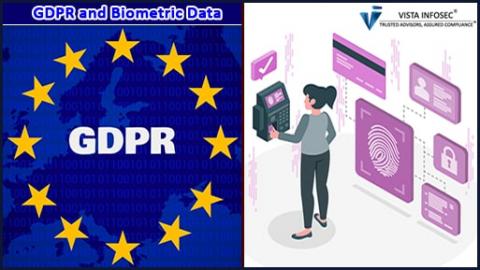
As technology advances and the use of biometric data becomes more prevalent, it is crucial to address the privacy concerns and regulatory compliance associated with this sensitive data. The General Data Protection Regulation (GDPR) plays a key role in safeguarding individuals’ privacy rights and ensuring the responsible handling of biometric data. Artificial Intelligence (AI) can also be utilized to ensure compliance and responsible handling of biometric data.
Germany is widely acknowledged as one of the most technologically advanced nations. However, this prominence also implies a significant reliance on its critical infrastructures (KRITIS), which are essential to the smooth operation of the state and society. To safeguard these infrastructures, Germany has enacted new laws, IT Security Act 2.0 and KRITIS Regulation 2.0, that aim to improve the security of IT systems.