One of the major concerns when moving to the cloud is how to approach AWS S3 security. Companies may have moved their workflows to Amazon, but are still cautious about moving their data warehouse. And that is totally understandable. We have all heard about data breaches in companies like Facebook, GoDaddy, and Pocket. It’s important that access to information is done properly, in a limited and controlled fashion, to avoid such breaches.
As we address a number of anniversaries related to the COVID-19 pandemic, you’re likely reminded of a lot of the uncertainty you were feeling coming into an indefinite work from home scenario. I know I certainly am.
Do you remember all the apprehension about cloud migration in the early days of cloud computing? Some of the concerns ran the full paranoia gamut from unreliability to massive overcharging for cloud services. Some concerns, such as the lack of security of the entire cloud infrastructure, rose to the level of conspiracy theories. It is nice to know that those myths are all behind us. Or are they? It seems that many of the earlier misconceptions have been replaced with new notions about the cloud.
It’s easy to get overwhelmed with the number of cloud security resources available. How do you know which sources to trust? Which ones should inform your security strategies? Which reports will actually improve your cloud security posture? Let’s first look at six cloud security guides that you should be using. These resources provide action items that you can take back to your team and use immediately.
Not even seven days after its public release, the American Rescue Plan Act has already been exploited by cybercriminals. This is the latest example of using a relief measure as bait for phishing or malware delivery.
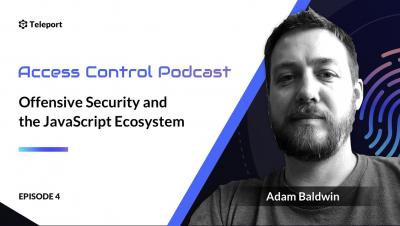
0:00 Intro
0:53 How Teleport work.
1:08 Teleport Demo
AWS Fargate is a technology that you can use with Amazon ECS to run containers without having to manage servers or clusters of Amazon EC2 instances. With AWS Fargate, you no longer have to provision, configure, or scale clusters of virtual machines to run containers. This removes the need to choose server types, decide when to scale your clusters, or optimize cluster packing. In short, users offload the virtual machines management to AWS while focusing on task management.