Security | Threat Detection | Cyberattacks | DevSecOps | Compliance

Ransomware Protection Best Practices: Leveraging MDR and EDR in the Zero Trust Era

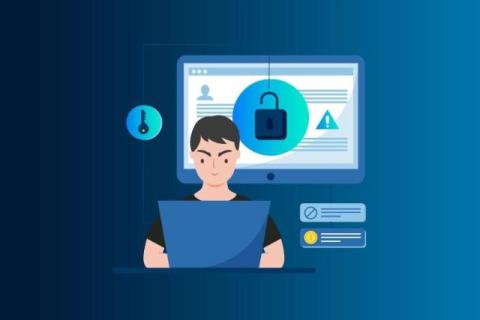
Ransomware attacks are on the rise. Their quiet nature is one of the main reasons why many organizations are unable to detect them. Ransomware attacks begin with something small, maybe a login at an unusual hour or a script running where it normally should not. There could be many more instances, which may not appear suspicious at first. By the time encryption begins, attackers have already moved deep into the environment.
Vulnerability Management as a Service: What Businesses Need to Know

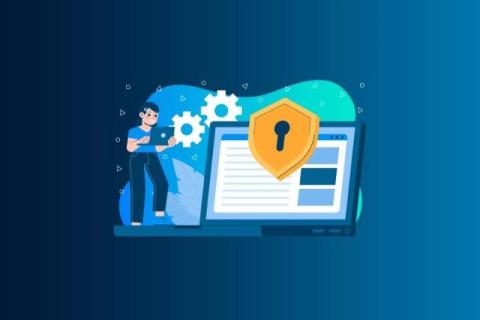
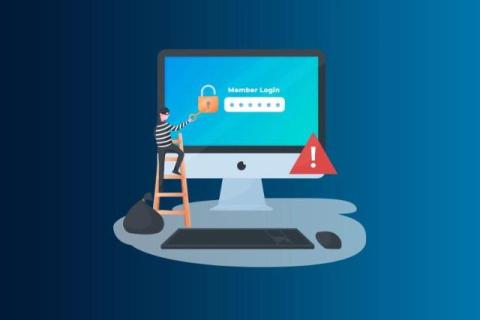
Cyber threats are at an all-time high because the digital world is rapidly changing. Every day, new vulnerabilities are found in security systems. Attacks threaten businesses of all sizes by stealing data, disrupting operations, and damaging reputations. It has become clear that Vulnerability Management as a Service (VMaaS) is an effective managed approach for companies to protect their digital assets without managing security systems themselves.

What is Data Leakage Protection and Why Is It Essential for Businesses

Data is a critical asset for modern businesses, so keeping it safe becomes extremely important. Cybercriminals use sophisticated methods to steal data, but these threats can be mitigated through Data Loss Prevention (DLP). It is a security framework that includes policies and tools to protect data from attackers and unauthorized access. Many organizations use DLP to protect confidential data from external threats and accidental exposure. Organizations that lack a strong DLP plan risk exposing their data.

Mitigating Risks: Effective Hybrid Cloud Security Strategies for Businesses

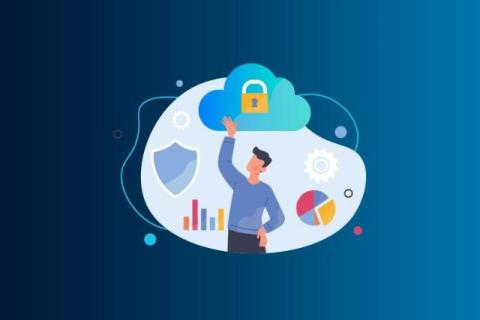
As businesses increasingly adopt hybrid cloud environments to gain flexibility and scalability, ensuring their security becomes a top priority. The hybrid cloud mixes resources from both public and private clouds, making operations more efficient than ever. But this connected design also poses significant risks, including data breaches, misconfigured systems, and unauthorized access. According to new studies, 82% of businesses had security incidents in their cloud environments in 2023.

Proactive Threat Management Strategies for Modern Cybersecurity

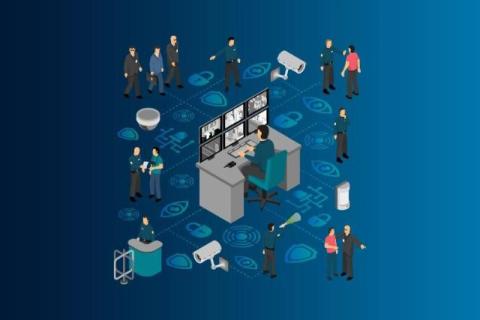
Businesses are under increasing pressure to protect their digital assets as cyber threats continually evolve. Threat management is now an important part of modern cybersecurity because it enables companies to detect, mitigate, and respond to threats in real time. Effective advanced threat protection not only reduces risk but also makes businesses more resilient, ensuring operations remain secure and uninterrupted.

SOC Audit Checklist for Cybersecurity Compliance

A SOC audit (System and Organization Controls audit) is an important part of making sure that security measures are strong and that regulations are followed in today’s security environment. Through SOC audits, companies can demonstrate their commitment to best security practices by ensuring the safety of sensitive data and smooth operations.

What is Smishing in Cybersecurity and How to Prevent it?

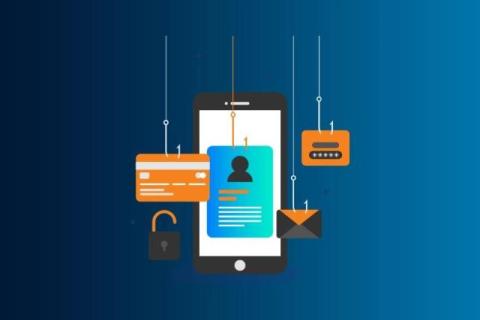
Cybercriminals are increasingly using sophisticated techniques such as smishing to exploit mobile users. Smishing is a type of scam conducted through SMS (Short Message Service). Attackers use this method to get people to give up private information or click on harmful links. This fraudulent method exploits the speed and trust people place in text messages by pretending to be a trusted organization, such as a bank or the government.

Polymorphic Viruses and Their Impact on Cybersecurity

A polymorphic virus is one of the hardest types of malware to detect because it can change into different forms. Because these advanced threats can modify their code in specific ways, they are very hard for standard signature-based antivirus systems to detect. Polymorphic viruses, on the other hand, use dynamic code encryption and mutation engines to alter their code structure, making them even harder to detect. The need for strong defenses has never been greater as hackers continue to use these methods.

Cybersecurity Compliance: Essential for Protecting Your Business Data

Cybersecurity compliance is not only a regulatory requirement but also a core business protection strategy. Businesses are under increasing pressure to prioritize data security as sophisticated cyber threats and increasingly stringent laws become more common. Following laws, standards, and best practices for cybersecurity compliance is important to keep private data safe from breaches and unauthorized access.

How to Prevent and Defend Against Spoofing Attacks

In this age of computers and the internet, cyber risks like spoofing attacks are becoming more sophisticated and more harmful. Spoofing is when cybercriminals pretend to be legitimate entities, like companies, people, or websites, to trick people into giving up private information or doing malicious activities. Spoofing has significant effects, ranging from financial losses to reputational damage. According to Proofpoint’s research, over 90% of phishing attacks occur through email spoofing alone.