Security | Threat Detection | Cyberattacks | DevSecOps | Compliance

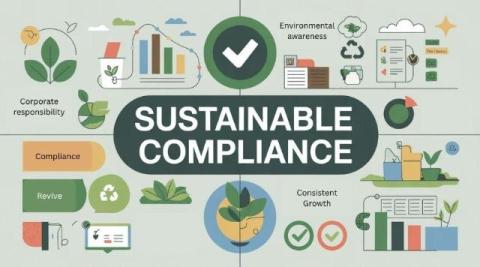
Sustainable compliance made easy: Incorporating environmental responsibility into GRC strategies

As we speak about changing the regulatory and environmental landscape, organizations are shifting toward more responsible, sustainable practices not only to abide by regulations but also to build resilience, trust, and competitive advantage. Governance, risk, and compliance (GRC) strategies are evolving by incorporating environmental responsibility, ensuring that compliance is not merely a checkbox activity but a core part of an organization’s overall sustainability practices.
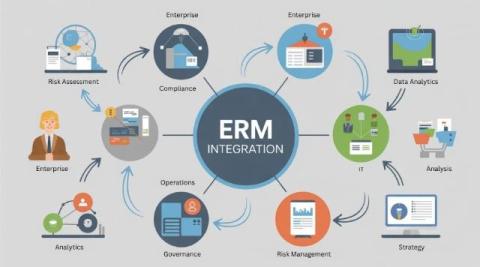

Unlock success with effective ERM integration: A powerful C-suite guide

Enterprise risk management (ERM) is no longer just a buzzword tossed around in board meetings or a “nice-to-have” on the corporate agenda; it is a strategic necessity for organizations seeking longevity and success in the business environment. As business leaders balance rapid innovation, geopolitical uncertainties, climate-related disruptions, and ever-evolving cyber threats, understanding how to integrate ERM effectively into every layer of the organization is imperative.

Master quantitative risk analysis: A step-by-step guide for better business decisions

Risk is an ever-present factor in business, influencing almost every decision that organizations make. From investments and operations to market expansion and product development, every decision carries with it inherent risks that could either be mitigated or amplified based on how well they are understood and managed. Quantitative risk analysis offers a structured, data-driven approach to assess these risks, paving the way toward more informed and resilient business decisions.

Powerful guide to choosing SOC 2 vs ISO 27001: make the right security decision

In this article When it comes to demonstrating security and compliance maturity, many organizations find themselves asking the same question: Should we pursue SOC 2 or ISO 27001? Both frameworks are highly respected in the world of information security and risk management. However, they differ in purpose, scope, geographic recognition, and implementation requirements.

Master regulatory compliance: Dominate change before it dominates you

In this article Change is no longer the exception; it’s the baseline. As we move into 2025, regulatory compliance is morphing faster than many organizations anticipated. New laws, shifting political priorities, disruptive technologies such as AI and IoT, and rising expectations from stakeholders are all combining to reshape what compliance looks like.

PCI DSS attestation of compliance: Complete guide to achieve certification

When online payments and card transactions are everywhere, securing cardholder data isn’t just good practice; it’s essential. The PCI DSS Attestation of Compliance (AOC) is your organization’s formal proof that it follows critical security standards for handling payment data. Whether you process, store, or transmit credit card information, achieving PCI DSS compliance reassures customers, partners, and regulators that your systems and controls are solid.

Boost compliance: proven controls best practices

Organizations face significant challenges when it comes to ensuring that their day-to-day operations align with both their internal objectives and the requirements of multiple compliance frameworks. Controls best practices provide a structured methodology to convert the organization’s goals into actionable items that mitigate risks, secure valuable assets, and foster accountability.

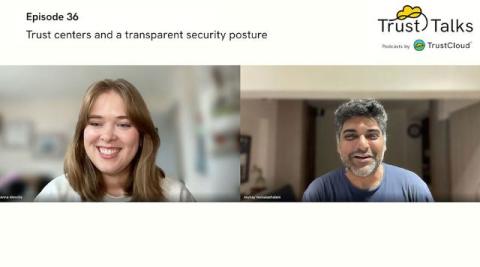
How Trust Centers and AI are replacing security questionnaires and accelerating B2B sales

As Anna say in the podcast, “Security reviews show up just when you think the deal is about to close. It’s like a final boss that no one wants to fight.” The last-mile friction caused by security diligence isn’t new, but it’s becoming more painful as deal cycles tighten and expectations around transparency rise. Buyers want answers faster. Vendors want to close faster. And security teams, stuck in the middle, are often left juggling risk, reputation, and revenue timelines.

Boost trust with HIPAA compliance: proven strategies for healthcare

Imagine this: a single breach that exposes a few patient files, and suddenly your organization is facing multi-million dollar fines, legal scrutiny, and eroded trust from the public. Now add regulatory audits, internal investigations, and the constant stress of proving compliance at every turn. The stakes are simply too high to treat HIPAA as an afterthought.

Empower remote teams: Update your BYOD policy for 2025

The landscape of work has transformed dramatically over the past decade, with remote work emerging as a sustainable and sometimes preferred approach for many companies. As this trend accelerates, organizations face the dual challenges of maintaining productivity while securing a distributed workforce. One of the most effective ways to empower remote teams is to update and modernize your bring your own device (BYOD) policy.

Penetration testing: All you need to know

In this article At a breakneck pace, and with it, cyber threats are becoming more sophisticated and harder to detect. Organizations today face a heightened risk of data breaches, system compromises, and sophisticated cyberattacks. To counteract these risks, penetration testing has become a critical tool in the cybersecurity arsenal.