Security | Threat Detection | Cyberattacks | DevSecOps | Compliance

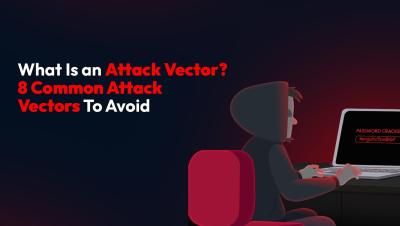
What Is an Attack Vector? 8 Common Attack Vectors To Avoid

Cybercriminals are looking for ways to exploit vulnerabilities in your organization’s network, and attack vectors can lead to serious data breaches. Watch this short video to learn the most common attack vectors and how you can protect your business from cyber threats.

What To Know About the Aflac Cyber Attack

Aflac, one of the largest American insurance companies, reported that cybercriminals breached its systems on June 20, 2025. Suspicious activity first occurred on Aflac’s U.S. network on June 12, and Aflac initiated its incident response plan to contain the spread of the cyber attack within several hours. At the time of this writing, Aflac’s investigation is still in the early stages, and the insurance giant hasn’t reported on how many of its customers were affected.

Common PAM Implementation Pitfalls and How To Avoid Them

Implementing a Privileged Access Management (PAM) solution is an important step toward protecting your organization’s most sensitive data and systems. When executed correctly, PAM helps enforce the Principle of Least Privilege (PoLP), reduces your attack surface and gives security teams control over who can access what and when. However, how effective a PAM solution is depends on how it’s implemented.

How To Enforce Least Privilege on Endpoints

Endpoints, which are physical devices like laptops, desktops and mobile phones that connect to a network, are valuable targets for cybercriminals and are often the weakest links in an organization’s security posture. Enforcing the Principle of Least Privilege (PoLP) on these endpoints is essential to reducing attack surfaces, preventing lateral movement and minimizing potential damage caused by compromised accounts.

Top Nine Benefits of Privileged Access Management (PAM)

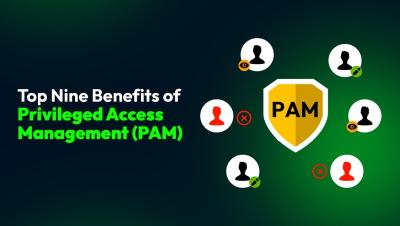
Privileged Access Management (PAM) enhances your organization’s security, streamlines compliance and improves productivity. After watching this short video, you’ll know several benefits of implementing a modern PAM solution like KeeperPAM in your organization.

Grant Temporary Record Access Without Compromising Security With Keeper One-Time Share

With Keeper’s One-Time Share feature, sharing confidential information with someone who doesn’t have a Keeper account doesn’t have to be complicated. One-Time Share provides time-limited, “read only” access to a Keeper record with anyone, without exposing information over email, text message or messaging.

How To Know If Your Phone Is Hacked

Our phones store an enormous amount of personal information — messages, photos, banking details and more. But with all that data, they also become prime targets for hackers. Watch this video to learn how to spot the common signs of a hacked phone, what to do if your phone is hacked and how to keep your phone safe from hackers.

Is PAM Suitable for Small Businesses or Only for Large Enterprises?

Monitoring privileged access is crucial for organizations of all sizes, not just large enterprises. Privileged Access Management (PAM) refers to the security and management of privileged accounts, such as administrators or third-party vendors, that have access to sensitive data and systems. Although PAM is traditionally viewed as a solution for large enterprises, small businesses also benefit significantly from implementing PAM solutions, especially as they expand into hybrid and cloud environments.

What Are the Common Challenges of Implementing PAM?

Implementing a Privileged Access Management (PAM) solution is essential to securing an organization’s most sensitive data. However, IT teams often face challenges in effectively deploying a PAM solution that satisfies both security and compliance requirements. Common challenges include complex integration with existing systems, scalability limitations and poor user experience. Continue reading to learn more about the challenges organizations face when implementing PAM and how to overcome them.

What To Know About the UNFI Cyber Attack

On June 9, 2025, United Natural Foods, Inc. (UNFI) – a major organic food distributor and the main grocery supplier for Whole Foods Market – reported a cyber attack. UNFI first discovered unauthorized activity in its IT systems on June 5 and immediately took some systems offline. At the time of this writing, the investigation is ongoing as officials assess the full impact of the breach.

Keeper Security Named Overall Leader in 2025 GigaOm Radar Report for Enterprise Password Management

GigaOm, a renowned technology analyst firm, has recognized Keeper Security as the Overall Leader in Enterprise Password Management for the fourth year in a row. The GigaOm 2025 Radar Report for Enterprise Password Management highlights Keeper’s Privileged Access Management (PAM) solution, KeeperPAM, which helps organizations secure passwords, credentials, secrets and connections to mitigate cyber risks and defend against internal and external threats.

How To Securely Share Passwords With Team Members

Sharing passwords insecurely can put your business at serious risk of account compromises and data breaches. After watching this short video, you’ll learn the dangers of unsafe password-sharing methods and how a business password manager like Keeper can help secure shared credentials among your team.

Password Management Best Practices for Employees

Weak employee passwords create significant security risks. According to Keeper Security’s Password Management Report, 34% of users reuse variations of strong passwords, which leaves systems vulnerable. Employees who reuse strong passwords – even with slight modifications – can jeopardize the security of sensitive data. To reduce risk, employees should develop smart habits to improve their password hygiene and minimize human error.

What Is the Role of Privileged Access Management in Protecting Sensitive Data?

Privileged Access Management (PAM) plays a crucial role in protecting sensitive data by controlling, monitoring and limiting access to systems and accounts. PAM focuses specifically on managing accounts with elevated permissions, such as administrator or root accounts. These accounts, if compromised or misused, can pose significant security risks and potentially lead to severe data breaches.