Security | Threat Detection | Cyberattacks | DevSecOps | Compliance

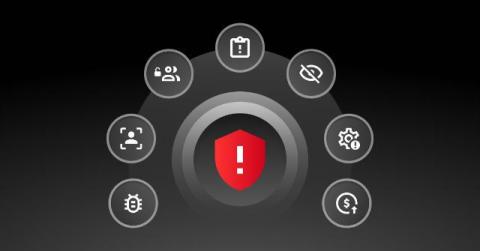
Seven Risks of Not Having Privileged Access Management

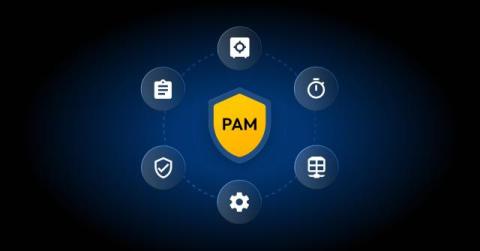
According to Cobalt, the cost of cyber attacks is rising, with costs predicted to reach $15.63 trillion by 2029. This highlights the growing need for Privileged Access Management (PAM). Without a PAM solution, organizations face significant security and operational risks, including increased vulnerability to data breaches, insider threats, compliance failures and costly errors. Privileged accounts are prime targets for threat actors due to their elevated permissions and access to sensitive data.

What Problems Can PAM Solve for My Organization?

Implementing a Privileged Access Management (PAM) solution can solve challenges like uncontrolled access to privileged accounts, insider threats, secret sprawl and lack of secure remote access. According to a recent EMA Research Report, 54% of organizations indicated they have granted privileged access on business systems to users who are not direct employees.

Eliminate Standing Admin Rights and Enforce Least-Privilege Policies With Endpoint Privilege Manager

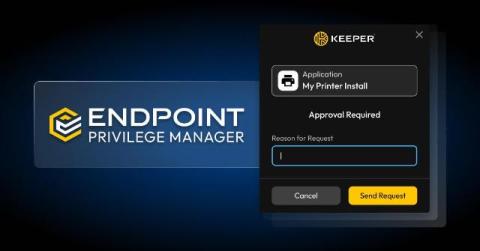
Keeper’s Endpoint Privilege Manager is an advanced Privileged Elevation and Delegation Management (PEDM) solution that provides secure, just-in-time privileged access across your endpoints, significantly reducing the threat of ransomware, insider threats and data breaches – all without sacrificing productivity or performance.

Why Should My Company Adopt a PAM Solution?

Your company should adopt a Privileged Access Management (PAM) solution to reduce security risks, prevent unauthorized access and gain more control over who can access sensitive data and systems. According to Keeper Security’s Insight Report on Cloud-Based Privileged Access Management, 88% of companies in the U.S. are seeking a cloud-based PAM solution to combat advanced cyber attacks.

How To Reduce Your Attack Surface with Secure Password Management

With the rise of remote work, cloud computing and mobile devices, your organization’s attack surface is larger than ever. Watch this short video to learn what an attack surface is, how to identify security vulnerabilities and five ways to minimize your attack surface.

How To Run a Successful Phishing Campaign Test

Phishing attacks are growing more difficult to identify, which is why your organization must prepare by conducting phishing tests. Watch this video to learn how to prepare your employees, design realistic phishing simulations and strengthen your organization’s defense against phishing attempts.

The Different Types of Authorization Models

Authorization models control who gets access to what. Learn about Role-Based Access Control (RBAC), Attribute-Based Access Control (ABAC), Relationship-Based Access Control (ReBAC), Mandatory Access Control (MAC) and Discretionary Access Control (DAC). Discover which model fits your organization’s needs.

How To Implement Privileged Access Management in Your Organization

To implement Privileged Access Management (PAM), you must first assess your organization’s specific security risks and needs. Then, you can select the right PAM solution tailored to your organization and plan a strategic, phased rollout to ensure a smooth implementation. Continue reading to learn how to efficiently implement PAM in your organization.

CYBERCOM Insights: Federal Identity & Access Management

Hear from Brigadier General James B. Haynie and industry experts as they discuss the urgent need for modern Privileged Access Management (PAM) in federal agencies, exploring challenges, threats and strategies to enhance cybersecurity and support a zero-trust future.

How Does Privileged Access Management Work?

Privileged Access Management (PAM) works by controlling, monitoring and securing access to privileged accounts and resources through features such as credential vaulting, just-in-time access control, session management and automation. It enforces the principle of least privilege so that only authorized users and systems have access to sensitive data. Continue reading to learn more about how privileged access management works to protect your organization.
Driving Cybersecurity with Privileged Access Management

In the fast-paced world of Formula 1, every second matters — both on the track and in the cockpit. As cyber threats continue to evolve, businesses need a solution that performs at the speed of their operations. Keeper Security’s privileged access management solution protects critical data in real-time, ensuring secure access and preventing breaches. With zero-trust and zero-knowledge security, Keeper delivers powerful protection.

How To Protect Your Company's Social Media Passwords from Cybercriminals

Weak or poorly managed passwords can put your business at risk of cyber attacks, data theft and reputational damage. Watch this short video to learn how to protect your company’s social media accounts with strong passwords, MFA and password managers.

How Does PAM Differ From Traditional Password Management?

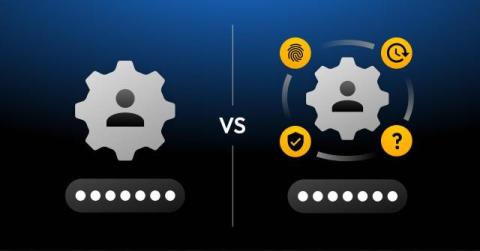
Many businesses confuse traditional password management tools with Privileged Access Management (PAM) solutions. While both aim to secure credentials and reduce the risk of unauthorized access, they serve very different purposes. Traditional password managers are designed to store and organize login credentials for everyday user accounts, helping individuals and teams manage passwords more efficiently.