Security | Threat Detection | Cyberattacks | DevSecOps | Compliance

Grandoreiro Malware: An Evolving Threat to Banking Customers

Grandoreiro is a malware family classified as a backdoor and spyware, first seen in April 2020, and is consistently described as a banking trojan focused on credential theft, remote fraud enablement, and control of compromised Windows systems. It has remained active through recurring campaigns, including a renewed wave in May and June 2026 that concentrated heavily on Latin America, especially Mexico, while also reaching parts of Europe and North America.

RevStealer Malware: A Hidden Data Heist Behind the Promise of Free AI

RevStealer is an infostealer first observed in September 2026 that targets Windows systems, with reported 64-bit execution and JavaScript-based components. It is built to steal authentication credentials and other sensitive user data while emphasizing stealth through anti-debugging, anti-sandbox, anti-VM, and evasion features. Its threat significance comes from a short, theft-focused execution model that pairs broad data collection with concealed command-and-control and exfiltration behavior.

Check Point Exposure Management Safe Remediation Demo: Harden Firewalls, Endpoints Operating Systems

Closing an exposure should not cause an outage. See how Safe Remediation in Check Point Exposure Management turns findings into validated fixes on the security controls you already own, without business disruption.

CAASM and Vulnerability Prioritization Demo: See the Full Picture Across Your Security Tools

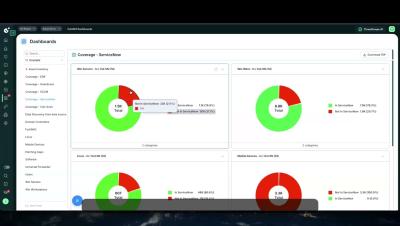
No single security tool shows the full picture. See how Check Point Exposure Management pulls findings from dozens of tools into one view, so your team can see which assets are exposed, which controls are missing, and what to fix first.

2026 Demo of the Check Point Exposure Management Platform

See how Check Point Exposure Management connects external threat intelligence with what is exposed inside your environment, so your security team knows which threats matter and what to fix first. In this 14-minute walkthrough, Check Point Software shows how Check Point Exposure Management turns 15 years of threat intelligence collection, covering the deep and dark web and threat capture monitoring, into prioritized, actionable exposure data. You see which threat actors and campaigns are relevant to your organization, which vulnerable hosts they could reach, and how to block them in real time.

Complete CTEM Use Case: From Exposure Alert to Safe Remediation with Check Point Exposure Management

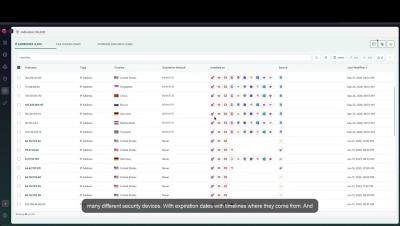
One vulnerability, five steps, start to finish. Watch how Check Point Exposure Management finds an exposed asset, proves it’s exploitable, shows who is exploiting it, locates every affected host, and closes the gap through your existing security controls.

Threat Intelligence Demo: From Dark Web Monitoring to Action in Check Point Exposure Management

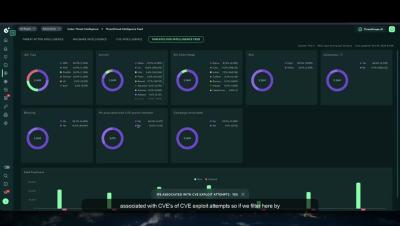
Threat intelligence only helps when your team can act on it. See how Check Point Exposure Management collects intelligence from the clear, deep, and dark web, adds telemetry from Check Point’s global firewall network, and ties it to what is exposed in your own environment.

RecordBreaker Malware: From Initial Infection to System Compromise

RecordBreaker is a malware family first observed in July 2022 and classified as both an infostealer and banking trojan. It targets x86 and x86-64 environments and is built to steal authentication data, collect system and user information, communicate with command-and-control infrastructure, and install additional components. Its operational profile also includes remote machine access, fraud-enabling activity, and system control, making it a flexible post-compromise tool.

XWorm Malware: Worming Its Way From Entry to Exploitation

XWorm is a versatile modular malware that presents a multifaceted threat landscape. This malware can be employed for various malicious purposes, including remote access, data theft, ransomware delivery, and botnet creation. Despite being relatively new in the cyber threat landscape, XWorm has rapidly gained notoriety, largely due to its association with the DDGroup cybercrime group, renowned for its utilization of advanced malware techniques.