Pretty-print view
Table of Contents:
00:00 - Introduction
00:21 - Pretty-Print View: Concept
00:46 - Pretty-Print View: Visualization
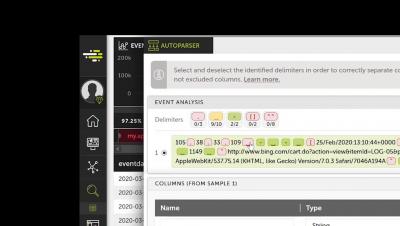
01:22 - Pretty-Print-View: Extraction


Table of Contents:
00:00 - Introduction
00:21 - Pretty-Print View: Concept
00:46 - Pretty-Print View: Visualization
01:22 - Pretty-Print-View: Extraction
Today we published the 2020 Devo SOC Performance ReportTM. The subtitle, A Tale of Two SOCs, underscores that there are two types of security operation centers (SOC): those that are performing reasonably well and those that are struggling. As someone who has worked in cybersecurity for more than 20 years, I find the results of our second annual SOC report informative, instructive, and also extremely irritating.
Threat hunting is one of the most critical activities performed by SOC teams. Once an alert triggers and a tier-1 analyst assesses it and sends it up the line for further evaluation by a more senior analyst, the race is on. Hunting down the threat as quickly as possible, before it can wreak havoc on the organization, becomes the top priority.
As if the pandemic itself weren’t causing enough pain and suffering in the world, cybercriminals are busy developing and deploying COVID-19-related malware to try and take advantage of unsuspecting victims. Fortunately, one of the world’s leading technology companies, Microsoft, is taking action to help people avoid becoming victims of these scams.
During the past decade, security operations centers (SOC) have become an integral part of the cybersecurity programs of many organizations. When you think of a defined team spending all of its time managing security events and using consistent processes for remediation, you may envision a group of company employees who report to a CIO or CISO.
With most of the country sheltering in place and so many people working remotely, work-life balance is taking on a new meaning and cloud infrastructure is taking a beating. The dramatic increase in daily activity and network use is creating both a visibility challenge and an operating model shift for already lean security teams.
Building an in-house SOC represents a significant commitment, both financially and strategically, to securing your enterprise. In a report from the Ponemon Institute—based on a survey sponsored by Devo of more than 500 IT and security practitioners—67 percent of respondents said their SOC was “very important” or “essential” to their organization’s overall cybersecurity strategy.