Security | Threat Detection | Cyberattacks | DevSecOps | Compliance

NIST Cybersecurity Framework 2.0 (NIST CSF 2.0)

In 2014 and with extensive community involvement NIST Cybersecurity Framework was created for private sector organizations in the United States. It is also aligned with other NIST standards and guidelines, such as NIST 800-53 and FedRAMP. NIST Cybersecurity Framework (CSF or Framework) is intended to be a living document that is refined and improved over time and was updated in 2018 and called CSF 1.1. We will be discussing NIST CSF 2.0.

The Great Resignation of CISOs: Relieve Burnout Through Automated System Hardening

The cybersecurity landscape is witnessing a phenomenon that has come to be known as the “Great Resignation” among Chief Information Security Officers (CISOs). The challenges faced by CISOs in coping with ever-increasing regulations, compliance mandates, and the need for skilled resources have reached a tipping point. Coupled with a lack of cooperation from the C-suite, these factors have led to a surge in burnout among CISOs.

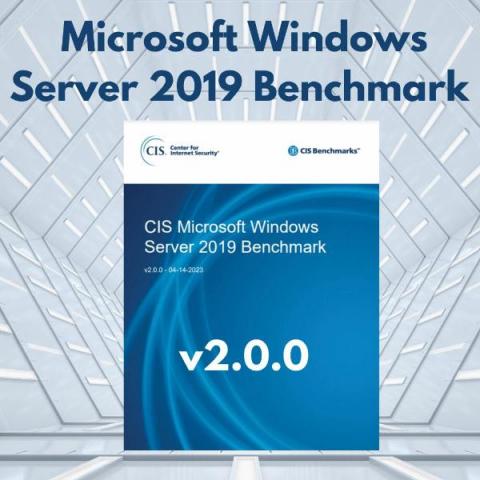
CIS Microsoft Windows Server 2019 Benchmark Hardening

The Center for Internet Security (CIS) team continuously release updates about cybersecurity best practices for new technologies. As of March 2023 all CIS Windows Server and Windows Workstation Benchmarks will be updated once a year to align with Microsoft’s update schedule. Major version updates that CIS will release (i.e., updating from v1.12.0 to v2.0.0) will account for significant changes in the operating system.

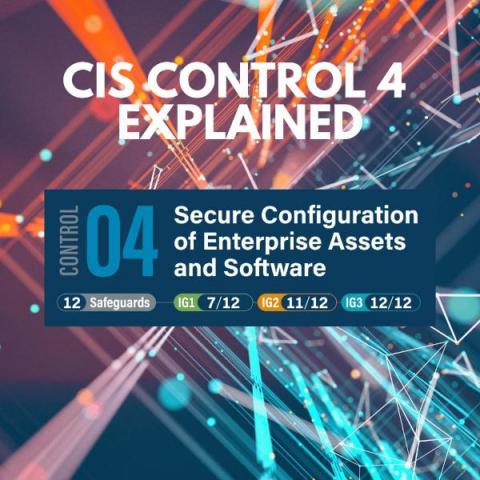
CIS Critical Security Control 4 Explained

CIS Critical Security Control, known now as CIS Controls have recently been updated and revised in the CIS Controls v8 released by the Center for Internet Security (CIS). The CIS Controls are a collection of industry-recognized best practices for businesses dealing with data security risks. Such measures were created to make things easier and keep the IT operations and security teams attention on crucial tasks. In v8, CIS changes a little the perspective around baseline security and system hardening.

All you need to know about CIS Benchmarks

In the ever-evolving landscape of cybersecurity, organizations strive to safeguard their systems and data against emerging threats. Amidst this pursuit, CIS Benchmarks emerge as an indispensable resource, offering a wealth of knowledge and practical recommendations. But what exactly are CIS Benchmarks, and why are they highly regarded across industries?

Hackers Backdoor to Microsoft SQL Servers using Trigona ransomware

South Korean cyber security organisation AhnLab has identified a breach in Microsoft SQL servers allowing deployment of Trigona ransomware. The attacks were threat actors using brute-force or dictionary attacks with obtained or guessed credentials to infiltrate externally accessible MS-SQL servers.

Expert Advice on why you should automate server hardening

We recently engaged in a conversation with our team of experts regarding their ongoing server hardening project. We inquired about the obstacles encountered during manual hardening procedures and asked if they’d be willing to explain the underlying reasons for issues that arise when automation is not employed. Their latest encounter with a client provided a valuable opportunity to further expound on strategies to mitigate these challenges.

SQL Server hardening

To safeguard the SQL layer against common SQL-based attacks, including Denial of Service, Brute Force, and SQL injections, and to prevent privilege escalations, hardening the SQL server is of utmost importance. Achieving compliance and satisfying auditors also necessitates SQL hardening. By implementing SQL hardening measures at both the application and operating system levels, the organization can significantly reduce its attack surface and eliminate critical vulnerabilities.