
Navigating the World of Crypto: Understanding Regulation and Compliance
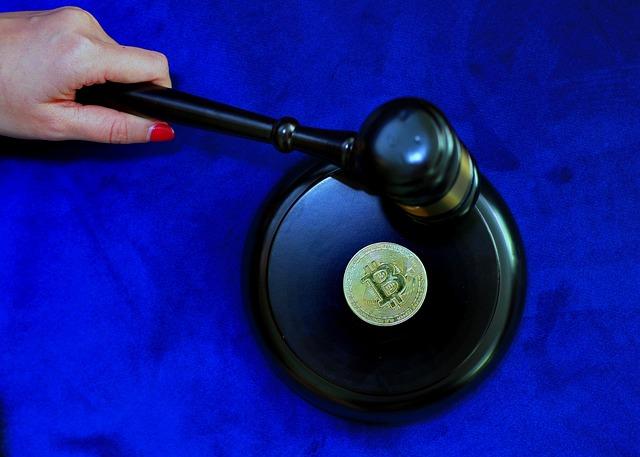
It’s safe to say that crypto has come a long way, ever since its inception. Back in the day, when it was introduced to the world, hardly anyone was taking it seriously, and it was perceived as nothing more than a decentralized alternative to conventional cash.
However, things have radically changed in the meantime, and the only thing that can be concluded is that this landscape has evolved a lot, attracting not only businesses and investors, but also regulators and governments.
All of these changes practically “created” the need for regulation and compliance, although no one has ever thought that something like this is ever going to occur. At first glance, you may think that it’s redundant and overwhelming; however, this article is here to show you the positive sides of it.
Why Is Regulation So Essential?
One of the main reasons regulation is here is because it’s intended to safeguard people, and ensure, no legal activities ever happen. Even though in the beginning, crypto was meant to be decentralized, what you need to understand is the fact that it still plays a significant part in this world by interacting with people, various companies, money, and governments.
That’s precisely why it has practically become mandatory for it to be regulated, because without it, this landscape would turn into:
- A place that’s alluring for scammers and fraudsters
- A space that’s susceptible to money laundering
- Unsafe place for people
- Unsuitable landscape for long-term investments
What Does It Generally Encompass?
Crypto regulation doesn’t just involve one law or rule, but so much more. It’s safe to say that it can be defined as a mixture of numerous policies that are designed to address various parts of the industry. The most common areas of regulation include the following:
- Anti-Money Laundering – Which represents a group of rules that are intended to prevent the misuse of crypto, when it comes to money laundering or any type of illegal activity.
- Taxation – These are some sort of guidelines that explain everything that’s related to crypto transactions, income, and gains, and how all of them are supposed to be taxed and reported.
- Know your customer – Requirements for every platform and exchange to verify user identities.
- Consumer protection – Different measures to make sure everything is perfectly transparent.
- Securities & Asset Classification – They are here to help you figure out if specific tokens can be defined as commodities, securities, or anything else.
And Then There’s MICA Compliance
So, what can be said about this one? Namely, MiCAR compliance represents an extensive legislative framework created by the European Union to properly regulate the cryptocurrency market. It’s here to address the most critical challenges in this landscape, like financial stability, investor protection, and, at the same time, encourage innovation with the EU’s digital economy.
In addition, it regulates a number of different essential aspects of crypto-assets. It primarily concentrates on the issuance of crypto-assets, such as e-money tokens, utility tokens, and asset-references tokens.
Furthermore, it establishes clear regulatory and licensing requirements for CASPs (crypto-assets service providers), making sure these firms adhere to certain rules and regulations for operation.
Different Regulations All Across The Globe
Possibly, one of the biggest issues as far as crypto is concerned (referring to the regulation) is its global nature. Namely, countries all around the world could potentially make use of different approaches.
There are countries that are very interested in crypto innovation and everything that comes with it, and they want to promote it by offering:
- Support for blockchain startups
- Transparent regulatory frameworks
- Licensing systems that are designed for exchanges
The whole point of these regions is to create a balance between consumer safety and innovation.
On the other hand, there are countries that are very strict when it comes to this, because they are very concerned about capital flight, financial stability, and potential scams that may arise.
Although all of these approaches are completely understandable, the truth is that they represent massive challenges for any organization that is doing business abroad.
Why Businesses Must Take Compliance Seriously?
Any company that’s part of the crypto landscape (or aspires to be at some point) must be aware of how pivotal compliance is, because if it doesn’t, it will increase the chances of dealing with certain risks, such as:
- Losing their license
- Ruined reputation
- Hefty fines
- Frozen assets
On the flip side, fortunately, there are firms that do take things seriously as far as this goes, which is great because they can greatly benefit from it.
- They will be perceived as reliable and trustworthy
- They’ll experience long-term sustainability
- They’ll have easier and faster access to different banking services
Even though at first glance some organizations do not perceive compliance as anything important, what they need to understand is that precisely something like this will give them a huge competitive edge.
Is Regulation Beneficial For The Average Crypto User?
The answer is yes! It’s worth mentioning that by virtue of it, transparency and safety will be further leveled up. Although it may require additional steps, like identity verification, it also offers:
- Fantastic protection against any scams
- Reliable resources, if by any chance something goes wrong
- Crystal clear tax guidance
- Greater confidence in platforms
It doesn’t matter whether you’ve just entered the world of cryptocurrency or you’ve been part of it for quite some time; it’s still essential to get your facts straight concerning your duties and responsibilities, particularly those that are related to taxes and legal use of crypto assets.
What To Expect In The Future From Crypto Regulation?
Crypto regulation isn’t one hundred percent completed. It is still prone to changes and transformation. The most crucial trends when it comes to this include:
- Prioritizing consumer safety
- Integration of crypto into current financial systems
- Improved global cooperation among regulators
If you are relatively new to this industry, you may perceive it as too puzzling, but the truth is that it really isn’t that much. For starters, just be sure to get familiar with everything that’s related to regulation and compliance, and just how necessary both of them are.