
How Rapid Mitigation Prevents Structural Rot During Water Damage Cleanup in Baltimore, MD
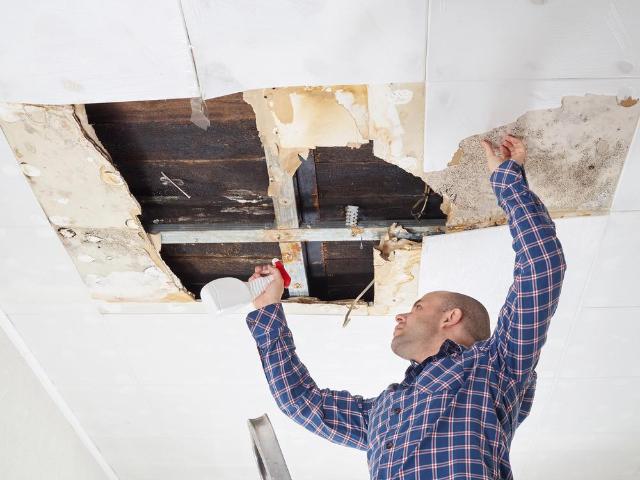
Image Source: depositphotos.com
After a heavy rainstorm or a burst pipe, Baltimore homeowners often face the urgent challenge of water seeping into basements, crawl spaces, and behind walls. Left unchecked, this moisture quickly becomes more than a cosmetic issue—wood beams, subfloors, and wall studs can begin to deteriorate, threatening the structural safety of the entire building. Rapid mitigation, meaning immediate intervention to remove water and dry affected areas, is the most effective way to halt the progression of rot and mold. By acting within hours rather than days, property owners can protect both the value and the safety of their homes from the irreversible damage caused by lingering moisture.
Delaying water removal or attempting makeshift drying methods often leads to hidden rot. Recognizing the risks posed by Baltimore’s humid summers and variable weather, fast action with the right techniques is not just a recommendation—it’s a necessity for anyone serious about preserving their property’s integrity.
Baltimore Climate Factors Influencing Rapid Water Damage Decay
Baltimore’s climate presents unique challenges for moisture control. High humidity, frequent storms, and fluctuating temperatures accelerate the rate at which water can infiltrate and remain trapped within building materials. During the summer, warm, damp air increases the risk of condensation inside walls and under floors, creating prime conditions for mold and rot to develop. Winter thaws and spring rains can also overwhelm aging roofs and foundations, leading to sudden water intrusions.
These local weather patterns make it critical for residents to understand how quickly moisture can escalate from a minor nuisance to a major structural threat. For example, untreated water in a basement after a summer storm can begin to foster wood decay within days if not removed and dried promptly. According to regional climate impact studies, areas like Baltimore with significant seasonal humidity require vigilant property maintenance and immediate mitigation after any water event.
Ignoring or delaying response to water infiltration in Baltimore often results in accelerated decay. Taking advantage of rapid mitigation helps property owners outpace the local climate’s effect on building materials, preventing long-term damage and costly repairs.
Mechanisms of Structural Rot Caused by Prolonged Moisture Exposure
Structural rot is the result of wood-destroying organisms, such as fungi, thriving in persistently damp environments. When wood absorbs water and remains wet for extended periods, the protective cellular structure breaks down, leaving it vulnerable. In Baltimore homes, this process is frequently triggered by slow leaks or undetected flooding beneath floors or inside wall cavities.
As the moisture lingers, the affected wood softens and darkens, and fungal growth becomes visible. This can compromise the load-bearing capacity of beams or joists, increasing the risk of sagging floors or even collapse. The process is often invisible at first, as rot develops behind drywall or under finished surfaces, making early intervention critical for prevention.
Immediate removal of standing water and rapid drying of wood surfaces are the most effective ways to interrupt the rot cycle. Homeowners who prioritize swift action after water exposure give their property the best chance of avoiding severe decay and structural compromise. Learning about the signs of wood rot from water damage helps residents recognize when to seek professional help.
Accelerated Mitigation Strategies for Baltimore Property Preservation
Effective rapid mitigation involves more than just mopping up visible water. In the context of Baltimore’s climate, using commercial-grade dehumidifiers and high-velocity air movers is essential for extracting moisture from deep within wood and building materials. These tools can drastically reduce drying times, lowering the risk of mold and wood rot taking hold.
After significant water intrusion, it’s important to remove any damaged drywall or insulation to expose hidden wet areas. Moisture meters, which measure the internal dampness of wood and other materials, allow professionals to verify that all affected zones are thoroughly dried. For example, teams conducting Water Damage Cleanup in Baltimore, MD use these specialized devices to ensure no moisture pockets remain before reconstructing or sealing walls. This approach minimizes future repair needs and helps maintain the overall stability of the property.
By investing in rapid mitigation strategies that address both visible and hidden moisture, Baltimore property owners can counteract the city’s challenging weather and avoid the extensive costs associated with structural rot. These advanced techniques help preserve not just the aesthetics, but the safety of homes and buildings for years to come.
Professional Restoration Standards for Preventing Long Term Wood Decay
Restoration professionals follow industry standards that prioritize speed and thoroughness to prevent long-term wood decay after water damage. Certified crews are trained to assess the full scope of moisture intrusion, using both visual inspections and moisture detection tools to identify at-risk areas. They remove water using specialized extraction equipment and quickly set up drying systems designed for Baltimore’s climate conditions.
Adhering to established protocols ensures that every step, from initial water removal to final structural assessment, is performed with the goal of stopping rot before it begins. Restoration teams may also apply antimicrobial treatments to exposed wood surfaces, which inhibit the growth of fungi responsible for rot and mold. This layer of protection is especially valuable in humid environments like Baltimore, where spores can spread rapidly.
Following professional water damage restoration guidelines gives homeowners confidence that their property is protected against the hidden dangers of delayed water cleanup. Consistent application of these standards separates lasting repairs from temporary fixes, ensuring the long-term health of any structure affected by water intrusion.
Conclusion
Quick, comprehensive action after water damage is the single most effective way to prevent structural rot in Baltimore homes and buildings. When water intrusion occurs, contact a reputable restoration provider immediately and request a thorough, professional assessment—waiting risks permanent harm to your property’s core structure.