
How to Protect Smart HVAC in Commercial Sites
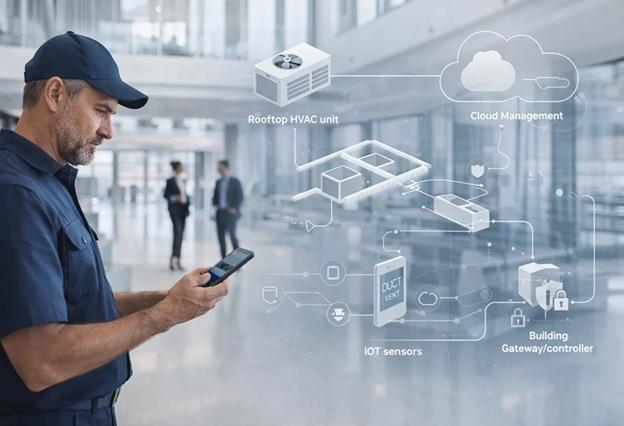
Smart HVAC systems have become a core part of modern commercial buildings. But they also sit squarely on the front lines of digital risk.
These systems connect to sensors, cloud dashboards, vendor portals, and building automation networks that attackers increasingly try to exploit.
Protecting them takes more than checking a few security boxes.
It requires a plan that mixes cybersecurity, mechanical expertise, and day to day operational discipline.
1. Build a Clear Inventory of HVAC and Connected Assets
The first step in reducing your attack surface is knowing what’s actually connected. Smart HVAC setups can include controllers, field devices, gateways, analytics platforms, and vendor access tools.
Create a simple but complete asset inventory that identifies each device type, its network segment, how it’s managed, and whether it communicates externally.
This gives facilities and security teams a shared map for making decisions.
2. Strengthen Network Segmentation for Building Systems
Once you know what’s on the network, the next move is carving out safe zones.
HVAC equipment should not live on the same network used for office computers or guest WiFi. Segmenting limits the blast radius if something goes wrong.
Many organizations use firewalls or VLANs to isolate operational technology.
A few quick wins include:
- Splitting HVAC controllers from business IT networks
- Gatekeeping any remote access entry points
- Ensuring vendor traffic flows through monitored segments
- Tracking which devices need external communication at all
Having the right technicians
When you move to secure communication frameworks, you also need qualified people maintaining them. In a recent guide on getting your HVAC license, the Service Fusion team highlights how properly certified technicians help.
With modern training, they ensure safer, more consistent configuration and maintenance practices on systems that now function more like IT equipment than traditional machinery.
3. Harden BACnet or Consider BACnet Secure Connect
BACnet is the backbone of many commercial HVAC setups, but the default protocol wasn’t built with strong security in mind. Hardening it means disabling unnecessary services and enforcing strong authentication. That’s alongside reviewing any routing between different building zones.
Review BACnet routing paths
Map BACnet traffic to ensure devices aren’t chatting across floors or departments without a reason. Reducing unnecessary lateral movement is one of the simplest ways to prevent attackers from hopping between systems.
Start planning for BACnet Secure Connect
BACnet SC adds encryption and certificate-based trust. Adoption can take time, but it sets the groundwork for resilient communication that aligns with modern cybersecurity expectations.
4. Manage Vendor Remote Access with Stricter Controls
Many attacks on building systems start with unsecured vendor portals or shared passwords. Move to multi-factor authentication and use just-in-time access so vendors only connect when needed.
Keep logs of every remote maintenance session. When possible, route all vendor traffic through an audited, segmented connection rather than directly to controllers.
5. Patch Firmware and Update Gateways Regularly
Smart HVAC equipment relies heavily on firmware, and unpatched devices are a common attack vector. Build a maintenance schedule that includes monthly checks for updates from trusted manufacturers. Replace unsupported gateways or controllers.
Keeping these systems current goes a long way toward blocking exploits.
6. Add Monitoring for OT Traffic and Unusual Behavior
Even when you lock things down, you need visibility. Many building managers now deploy operational technology monitoring tools to flag unusual activity like
- New devices appearing,
- Unauthorized scans,
- Or traffic spikes.
Recent insights on cybersecurity measures to protect smart OT infrastructure show how early detection can prevent both downtime and safety issues before they escalate.
In parallel, broader industry reporting continues to reinforce the scale of the challenge. For example, statistics on network isolation and encryption adoption in commercial smart buildings highlight how widespread protective controls have become, which can help guide benchmarking.
7. Build Incident Response Playbooks That Include HVAC
Traditional IT playbooks rarely mention building systems. But in a real event, HVAC needs to be part of your response plan. Document who to call, how to isolate controllers, what can safely be powered down, and how to maintain occupant comfort while troubleshooting. Your facilities and IT teams should practice these steps together.
Protecting smart HVAC is less about one big fix and more about the steady adoption of good habits. Every improvement on segmentation, access control, maintenance, or monitoring helps shrink your risk. As commercial buildings get smarter, these steps help ensure they also get safer.