
How Precision Manufacturing Strengthens Modern Supply Chain Security
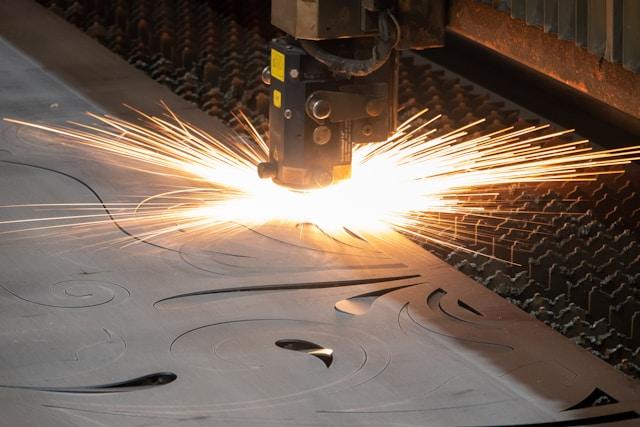
In today’s increasingly interconnected global economy, supply chains are more complex and more vulnerable than ever before. Unexpected disruptions, quality inconsistencies, and rising consumer expectations demand that every component used in production meets strict standards. This is where precision manufacturing plays a central role. By ensuring that even the smallest part is produced with accuracy and consistency, companies are able to maintain operational stability and product reliability.
In the following sections, you’ll learn how precision manufacturing influences secure supply chains, why technologies like a laser welder have become essential tools, and what businesses can do to strengthen resilience from end to end. The goal is simple: to help you understand the value of precision in modern manufacturing without overwhelming jargon or overly technical explanations.
Why Secure Supply Chains Need Precision Manufacturing
Supply chain disruptions have become common across industries. According to McKinsey, companies can now expect significant disruptions lasting a month or longer every 3.7 years. These interruptions often stem from manufacturing inefficiencies, inconsistent part quality, and reliance on outdated production methods.
Here are key pain points precision manufacturing helps address:
- Inconsistent Component Quality – Small deviations can lead to system-wide failures.
- Limited Transparency – Traditional systems lack visibility during production cycles.
- High Risk of Downtime – Poor-quality components increase the likelihood of rework and delays.
To build resilience, companies must ensure that the components they receive are produced with accuracy, repeatability, and reliability.
The Rise of Advanced Precision Tools in Manufacturing
Modern manufacturers rely on advanced tools to meet rising quality and security demands. Technologies such as CNC machining, automated inspection systems, and particularly the laser welder allow for the consistent production of parts with minimal variation. This matters because even the slightest flaw can compromise entire product lines.
How a Laser Welder Strengthens Supply Chain Security
Using a laser welder offers multiple benefits:
- High Accuracy – Creates cleaner, more precise joints for critical components.
- Reduced Material Waste – Improves efficiency and lowers production costs.
- Repeatability – Ensures consistent results across thousands of units.
- Enhanced Durability – Produces stronger welds critical for technical and industrial applications.
By integrating these technologies, manufacturers can meet tighter tolerances and ensure every component performs as expected, ultimately helping stabilize supply chains. The implementation of beam profilers helps operators detect any fluctuations in laser intensity before they impact the final weld quality. Reliable data from these measurements provides the confidence needed to maintain high-speed production without sacrificing precision.
Key Pillars of Precision Manufacturing for Supply Chain Security
1. Standardization and Accuracy
At the core of precision manufacturing is the commitment to standardization. Processes are tightly controlled, ensuring that each output meets predefined specifications. This level of accuracy greatly minimizes the risk of component failure once products reach consumers.
2. Automation and Advanced Quality Control
Automation brings consistency. With automated tools, robotic arms, laser welders, and computer-driven cutters, manufacturers can achieve a higher level of reliability than manual processes allow. Automated quality checks also detect defects earlier, preventing production issues from progressing down the chain.
3. Traceability and Transparency
Secure supply chains depend on visibility. Precision manufacturing solutions often integrate smart tracking systems to record:
- Origin of materials
- Production timestamps
- Machine settings and batch data
- Quality inspection results
This improves accountability and speeds up problem resolution.
4. Scalability and Flexibility
In a world where consumer demands change rapidly, manufacturers must adapt quickly. Precision manufacturing technologies allow for seamless scaling, whether producing 10 components or 10,000. This flexibility is essential for maintaining stable supply chains during fluctuating market conditions.
How Precision Manufacturing Reduces Supply Chain Risks
To clearly illustrate the impact, here's a simple comparison table:
|
Supply Chain Challenge |
Traditional Manufacturing |
Precision Manufacturing |
|
Error Rate |
Higher due to manual processes |
Extremely low with automated systems |
|
Production Speed |
Varies depending on manpower |
Faster, consistent, scalable |
|
Material Waste |
Moderate to high |
Minimally wasted |
|
Product Consistency |
Often inconsistent |
Highly uniform across batches |
|
Quality Visibility |
Limited tracking |
Full traceability |
Through these improvements, companies can reduce delays, avoid costly reworks, and maintain customer trust.
Real-World Applications of Precision Manufacturing
Precision manufacturing plays a major role across industries:
Automotive Manufacturing
Car manufacturers depend on highly precise parts like sensors, welded frames, and engine components to ensure safety and efficiency.
Aerospace Engineering
Even the smallest error can result in catastrophic consequences. Precision welding and machining maintain strict aerospace standards.
Medical Devices
From surgical instruments to implantable devices, precision guarantees safety and reliability.
Electronics and Semiconductors
Tiny components require exact measurements and uniform welding to prevent short circuits or system malfunctions.
In all these fields, tools like a laser welder contribute to secure supply chains by ensuring reliable component assembly.
Strengthening Supply Chain Resilience: What Businesses Can Do
If you’re looking to improve your supply chain security through precision manufacturing, consider the following steps:
- Audit Current Processes: Identify weaknesses in sourcing, production, and quality control.
- Invest in Reliable Technology: Tools such as laser welders, CNC machines, and automated inspection systems significantly reduce errors.
- Collaborate With the Right Manufacturing Partners: Work with companies that prioritize accuracy, transparency, and traceability.
- Implement Real-Time Monitoring: Use tools that track production metrics and detect issues early.
- Train Your Workforce: Skilled technicians are essential for operating advanced equipment effectively.
As many businesses look to upgrade tools that support precision manufacturing, trusted solutions become essential. This is where brands like Denaliweld provide value, offering high-quality welding technologies designed for accuracy, efficiency, and long-term reliability. Their selection of advanced products helps manufacturers enhance consistency and maintain secure supply chains across different industries.
Conclusion
A secure supply chain starts with making sure every component, no matter how small, is produced with precision, reliability, and consistency. As global demands grow and disruptions become more frequent, businesses must invest in technologies and processes that reduce risk and increase stability. Precision manufacturing, supported by tools like laser welders and automated quality systems, provides the foundation needed for supply chain resilience.
By adopting modern manufacturing practices and working with reliable technology partners, your organization can build a stronger, more secure supply chain capable of meeting today’s challenges and tomorrow’s opportunities. Now is the time to rethink how precision can transform your production ecosystem and safeguard your long-term success.