
Beyond Firewalls: The Role of Physical Security in Data Protection
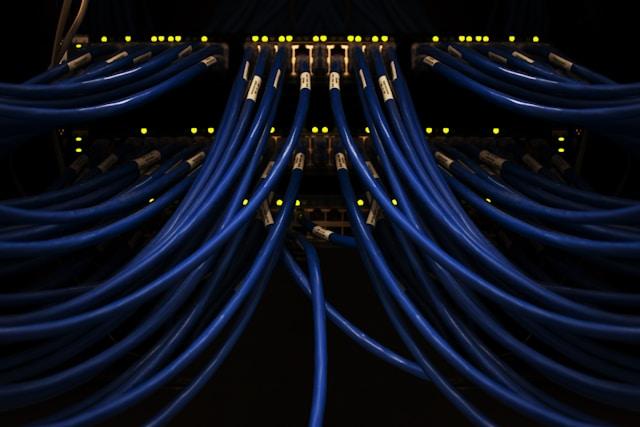
When we talk about data protection, we almost always focus on the digital side. We discuss firewalls, malware, phishing scams, and encryption. While these digital defenses are definitely crucial, they're only half the story. A locked digital door doesn't help if an intruder can just walk in physically and take the server. Real data security needs a strategy that goes beyond the screen and into the physical world where your data actually lives.
The Limits of Digital Defenses
Digital security measures are designed to protect data from attacks that happen over networks. They're your first defense against hackers, viruses, and other online threats. However, these systems assume that the physical hardware they run on is already secure. If an unauthorized person gets physical access to a computer, server, or network device, many digital protections can be bypassed or become useless.
Someone with direct access to a server could reboot it into a different operating system, remove hard drives to analyze them elsewhere, or attach devices to capture data directly. This reality is changing how organizations think about security. They're moving towards models of cyber-physical resilience that don't just protect the network edge, but secure core assets from all kinds of threats. No amount of encryption will stop a thief from walking out with a hard drive full of your company's most sensitive files if the room isn't properly secured.
Data Breaches and Physical Access
It's easy to think of data breaches as only digital, but many major incidents have a physical element. A lost or stolen laptop is a classic example. If the device isn't properly encrypted, the thief gets immediate access to all its data. The same risk applies to USB drives, external hard drives, and even old-fashioned paper files.
Think about these situations where a physical breach directly leads to data being compromised:
- Someone unauthorized "tailgates" an employee into a secure office building and gets into an unlocked server room.
- A former employee uses an old keycard that was never turned off to enter the office after hours.
- Cleaning crews, who often work alone, access sensitive areas and either intentionally or accidentally compromise data.
- Old hardware is thrown into a dumpster without being properly wiped, letting anyone retrieve the drives and the data on them.
The intersection of physical security and data privacy is clear. Protecting data means controlling the environment where it's stored and processed, not just the networks it travels on.
Fortifying Facility Entry Points
The basis of physical data security is controlling who can enter your facility and its sensitive areas. This starts at the building's edge and moves inward with more layers of security. Your first goal is to create a strong barrier that stops unauthorized entry. This means securing all possible entry points, like doors, windows, and loading docks.
For areas with critical infrastructure, such as server rooms or data closets, security needs to be even tighter. These rooms should be treated like vaults. Only authorized staff should have access, using systems like key cards or biometric scanners that track who comes and goes.
The room's construction is also important. Walls should be reinforced, and doors must be able to withstand attempts to force them open. Using heavy-duty commercial metal doors is standard practice for securing these critical zones, as they provide a strong physical barrier against intrusion. Combining these secure entry points with video surveillance creates a powerful deterrent and records everyone who enters and exits the area.
Comprehensive Security Posture
Good security isn't about choosing between physical and digital protection; it's about combining them into one unified strategy. This idea is often called physical security and cybersecurity convergence. When these two areas work together, they create a much stronger defense. For example, a physical access control system can be linked to the network to automatically log entry attempts and trigger alerts for suspicious activity.
A layered security model, sometimes called "defense in depth," is the best approach. Imagine an onion: an attacker has to peel through many layers to get to the center.
- Perimeter: Fences, gates, lighting, barriers, and secure building entrances help deter unauthorized access before anyone reaches the facility.
- Facility: Reception desks, visitor sign-in procedures, employee ID checks, and surveillance cameras help control and monitor movement inside the building.
- Department/Zone: Key card access limits employees and contractors to the floors, offices, or work areas they are authorized to enter.
- Secure Room: Biometric scanners, keypads, or multi-factor access controls provide extra protection for server rooms, data centers, and other sensitive spaces.
- Hardware: Locked server racks, secured equipment cabinets, and cable locks help prevent theft, tampering, or unauthorized physical access to devices.
- Digital: Firewalls, encryption, strong authentication, network monitoring, and user access controls protect systems and data from cyber threats.
Each layer offers a chance to stop an attack. This layered approach is a key part of modern data center security strategies, making sure that if one layer fails, it doesn't lead to a complete compromise.
The Human Element in Security
Even the strongest locks and most advanced firewalls can be defeated by human error or carelessness. Your employees are a crucial part of your security, acting as both a potential weakness and your greatest strength. A well-meaning employee might hold a door open for someone unauthorized, or a stressed employee might write down a password on a sticky note.
That's why ongoing security awareness training is essential. Employees need to understand the rules and their role in following them. Training should cover important topics like:
- Identifying and reporting suspicious individuals: Teach staff to be aware of their surroundings and not hesitate to question someone they don't recognize.
- Preventing tailgating: Create a strict policy that forbids holding secure doors open for others.
- Properly handling and disposing of sensitive information: This includes shredding documents and making sure electronic media is securely wiped before disposal.
- Securing workstations: Enforce a "clean desk" policy and require employees to lock their computers when they step away.
By building a security-focused culture, you turn every employee into part of your defense system. They become watchful partners in protecting the company's most valuable asset: its data.
Protecting data means looking beyond the screen. By securing your physical entry points, combining digital and physical defenses, and giving your employees security knowledge, you can build a truly strong defense against all kinds of threats.