
Behind the Laughs: The Security Measures Keeping Meme Coins Safe
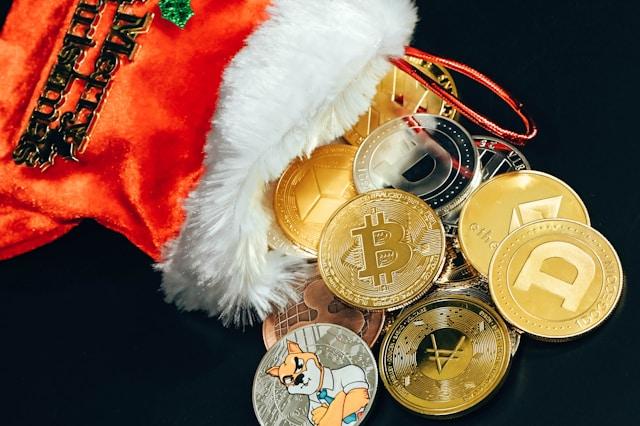
In the fast-moving crypto world, meme coins have evolved from internet jokes into serious digital assets with multi-million-dollar market caps and thriving communities. But their playful origins sometimes make people question how secure they really are. Projects like Shiba Inu, Dogecoin, PEPE, and countless others rely on advanced blockchain protocols and community-driven safeguards to maintain a high level of stability and trust. Understanding these protective layers is essential for anyone interested in joining the wave of digital finance.
Let’s take Shiba Inu for example, a rising meme coin with a growing popularity that attracted not only enthusiastic traders but also opportunistic scammers, like all the other successful crypto projects. As the Shiba Inu coin price continues to rise, its developers need to invest more resources in strengthening security measures (e.g., multi-signature wallets, decentralized governance, and smart contract audits), as its growth attracts both traders and cybercriminals. Mechanisms as those mentioned above are meant to protect holders from malicious activity and improve transparency.
This article discusses the digital armor that keeps meme coins like Shiba Inu alive in the ever-evolving landscape of crypto innovation.
The Blockchain Backbone
Every meme coin, whether it’s Dogecoin, Shiba Inu, or some new viral token with a frog or cat logo, lives on a blockchain. And that’s the first layer of security because the blockchain doesn’t lie. It’s a public, distributed ledger that records every transaction, every wallet, every move. You can’t bribe it, you can’t edit it, and you can’t sneak around it. Once something’s there, it’s there. That’s the beauty and the defense. Most major meme coins are built on established chains like Ethereum or Binance Smart Chain, or they’re forks of proven systems like Bitcoin or Litecoin. That means they inherit the same cryptographic security, consensus protocols, and network resilience as the giants they’re built on. So when you buy Dogecoin, you’re not just trusting a meme. You’re trusting a network that’s been tested against the biggest attacks in crypto history. Blockchain isn’t perfect, but it’s transparent, and transparency is the first wall against manipulation.
Smart Contract Audits: The Modern Armor
Now, let’s talk about smart contracts. They’re the brains behind every token; they’re the lines of code that define how coins move, how liquidity pools behave, and how rewards are distributed. But code is fragile, so one tiny mistake, one lazy developer, and it’s open season for hackers. That’s why serious meme coin projects, the ones trying to survive beyond the hype, go through brutal smart contract audits. They involve cybersecurity experts tearing apart every function of the code, running simulations, stress tests, and penetration attempts to expose weaknesses before the bad guys do. For a meme coin, getting that “audited and verified” stamp isn’t just about bragging rights, it’s about trust.
Cold Wallets and Multi-Signature Vaults
Here’s a little secret: most crypto hacks don’t happen because of some fancy code breach, but because of people. Private keys get stolen. Exchanges get compromised. Founders mismanage liquidity. It’s human error, not magic. That’s why meme coin developers and community treasuries are becoming more sophisticated. They’re locking funds in cold wallets, offline vaults that online attackers can’t reach. Think of cold wallets as safes buried deep underground. You can’t hack what’s not connected. And then there’s the multi-signature setup, a security method where multiple keys are required to move funds. No one person can pull the trigger alone. It is democracy meets cryptography. This approach prevents “rug pulls” those infamous exit scams where a project’s creator vanishes with all the money. With multi-signature systems, even the founders can’t move funds without the community or co-signers approving it.
Decentralized Exchanges: Trust Without Custody
Most meme coins trade on decentralized exchanges (DEXs), places like Uniswap, PancakeSwap, or SushiSwap. And while DEXs can feel chaotic, they come with one major advantage: you keep control of your coins. When you trade on a centralized exchange, you’re handing over your assets and hoping they stay safe. But DEXs work differently. You connect your own wallet, trade directly on-chain, and no one else holds your funds. No middleman. No custodian. No “sorry, we were hacked.” Of course, DEXs have their own risks like fake liquidity pools, malicious contracts, phishing clones, but the self-custody principle gives users a fighting chance. The best meme coin communities educate newcomers about verifying smart contract addresses, using verified trading links, and avoiding the traps that snare the careless.
Anti-Bot Measures: Fighting the Invisible Enemy
You know what ruins a meme coin launch faster than anything else? Bots. Trading bots flood in seconds after a token goes live, scoop up massive amounts of supply, and dump it the minute prices move. It’s brutal, and it crushes small investors. That’s why modern meme coin projects have started using anti-bot measures, smart code that detects suspicious wallet behavior, limits per-wallet purchases, and delays trade execution for certain automated scripts. Some developers even design anti-whale mechanisms, preventing a single address from holding or selling too much. It keeps the ecosystem fair, at least in theory, and gives real holders a chance to participate before the bots flip the table. These security tweaks aren’t perfect, but they’re evolving fast because meme coins learned something the hard way: the internet’s funniest spaces attract the internet’s fastest predators.
Community Watchdogs and Transparency Tools
If there’s one thing meme coin culture thrives on, it’s community. And that community doubles as a 24/7 security patrol. Telegram groups, Discord servers, Reddit threads, they’re not just for memes anymore. They’re where traders share scam warnings, contract addresses, and suspicious wallet activity. It’s crowd-sourced vigilance. And it works. Projects that survive past the hype usually have open communication channels, public treasuries, visible development roadmaps, and active moderators who respond fast when red flags appear. Some even use blockchain analytics tools to track unusual movements, posting alerts whenever big wallets shift or liquidity pools are tampered with.
The Bottom Line
Behind every meme coin tweet, every rocket emoji, every “to the moon” post, there’s a quiet war going on, developers building walls, hackers testing cracks, and communities learning how to protect themselves.
And that’s what people forget.
The memes are fun. The culture is wild.
But the infrastructure? It’s serious.
Dogecoin, Shiba, Pepe, they’re not just jokes anymore. They’re digital assets guarded by layers of blockchain security, real audits, decentralized systems, and communities that refuse to be fooled twice. Because if the last few years taught meme coin investors anything, it’s this: Laugh all you want, but lock your wallet tight. The memes might fly, but security is what keeps them in orbit.