Security | Threat Detection | Cyberattacks | DevSecOps | Compliance

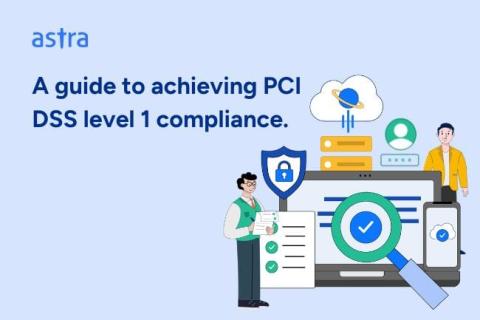
Achieving PCI DSS Level 1 Compliance: A Comprehensive Guide

Purpose: Help payment service providers achieve PCI DSS Level 1 compliance with enterprise-grade security. Scope: Technical requirements across network, data, access, physical, and cloud environments. Outcome: A compliant, breach-resistant system that builds trust and streamlines audits. Methodology: Real-world pentesting, layered defenses, and compliance-driven implementation. In 2023 alone, the payments industry handled north of 3.4 trillion transactions worth >$1.8 quadrillion.

PCI DSS 4.0 Compliance: A Guide to Requirements 6 & 11

As of March 31, 2025, full enforcement of the PCI DSS 4.0 guidelines is now in effect. This latest version introduces critical updates that strengthen payment card data security across digital environments. Among the most notable changes are requirements that target client-side security, an area that has been largely overlooked until now.

PCI-DSS Requirement 2.2: Server Hardening Standards Guide

The Payment Card Industry Data Security Standard (PCI DSS) is a global initiative that provides a consistent, baseline framework of security measures, facilitating their adoption and implementation. PCI DSS Requirement 2.2 states that System components are configured and managed securely. In this guide, we will provide the necessary background and context to understand and comply with Requirement 2.2.

What Payment Page Scenarios Trigger PCI DSS 4.0 Requirements - and How Can CISOs Stay Compliant?

Because PCI DSS 4.0 shifts focus to client-side risk, payment pages — especially those using JavaScript, third-party scripts, or marketing tags — are under increased scrutiny. Even if your backend is secure, what happens in the browser can expose cardholder data or create audit failure risk.

PCI DSS & penetration testing: Securing online retail transactions

The Payment Card Industry Data Security Standard, or PCI DSS, is a set of globally recognised requirements designed to ensure that all companies that process, store, and transmit credit card data continually maintain a secure environment. It doesn’t matter whether you’re a small independent store or a large e-com brand, if your business handles payment data directly or through a payment gateway, PCI DSS applies to you.

Securing Payment Pages: PCI DSS 11.6.1 Guide

PCI DSS 11.6.1 (4.0) requires merchants and TPSPs to deploy change- and tamper-detection mechanisms that monitor and alert on unauthorized modifications to payment page scripts and HTTP headers, as seen in the customer’s browser. Monitoring must occur weekly or per a risk-based schedule. Tools like CSP, script behavior monitors, and alerting systems help ensure compliance and prevent e-skimming threats like Magecart.

PCI 6.4.3 and 11.6.1: The Complete Guide to Stop E-Skimming

PCI 6.4.3 and 11.6.1 are critical requirements for protecting payment pages from JavaScript-based attacks in e-commerce. JavaScript powers modern e-commerce but also exposes sites to digital skimming attacks. Common threats include supply chain compromises, Magecart injections, and CDN breaches. To combat this, PCI DSS 4.0 mandates script management and tamper detection. Protecting your payment pages with real-time monitoring tools and client-side security is essential for compliance and customer trust.