Security | Threat Detection | Cyberattacks | DevSecOps | Compliance

Addressing API Security with NIST SP 800-228

APIs are quickly becoming the primary attack surface targeted by cyber criminals. The rise of generative AI systems, which run on APIs, has driven a dramatic increase in the number of APIs in use. How can you ensure your existing APIs and growing AI deployments remain secure, compliant, and resilient? NIST has now released an initial public draft of SP 800-228: Guidelines for API Protection for Cloud-Native Systems.

Who Must Comply with NIST? A Compliance Guide

National Institute of Standards and Technology (NIST)—is a U.S. federal agency that develops and promotes measurement standards, including some of the most widely used cybersecurity frameworks in the world. While originally designed to strengthen the security posture of federal systems, NIST guidelines are now used across industries as a benchmark for best practices in information security, risk management, and compliance.

"Toward Automating IoT Security": Why It Matters and How KeyScaler Is Leading the Way

The global Internet of Things (IoT) ecosystem is growing at an unprecedented rate. It’s estimated that by 2030, there will be over 75 billion connected devices worldwide, up from approximately 12 billion in 2020. This massive growth presents significant opportunities, but it also exposes critical vulnerabilities, particularly when it comes to securing these devices.

Step-by-step Guide To Meeting NIST Compliance Requirements In 2025

Organizations across the board need to establish comprehensive data protection standards. The cybersecurity hurdles become more intense because threats in the realm continue to evolve. Organizations now place NIST compliance at the top of their operational priorities for 2025. Businesses encounter different threats, including vulnerable supply chains, AI-powered security breaches, and more.

Meeting NIST API Security Guidelines with Wallarm

On March 25, 2025, NIST released the initial public draft of NIST SP 800-228, "Guidelines for API Protection for Cloud-Native Systems." The document provides a comprehensive framework for securing APIs in cloud-enabled environments. However, for organizations looking to align with these objectives, the tooling requirements may seem initially overwhelming. Fortunately, Wallarm helps streamline the process by integrating many of these recommendations into a single, cloud-native solution.

How Hardening is Reflected in the Different NIST Standards

NIST hardening standards and best practices refer to a collection of guidelines and recommended methods created by NIST (National Institute of Standards and Technology). These standards are crafted with the intention of strengthening the security and robustness of information systems. They serve as a structured approach for organizations to fortify their systems against possible security vulnerabilities and the risks associated with them.

NIST SP 800-171 Rev 2 vs Rev 3: What's The Difference?

Government cybersecurity and information security frameworks are a constant work in progress. Many different frameworks draw their requirements from the National Institute of Standards and Technology, and one of the most important documents for cybersecurity is NIST Special Publication 800-171: Protecting Controlled Unclassified Information in Nonfederal Systems and Organizations.

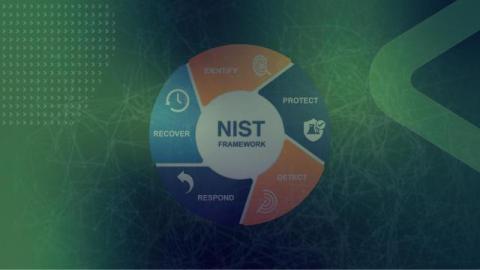
NIST Cybersecurity Framework (CSF) 2.0: A Complete Guide

The NIST Cybersecurity Framework (CSF) 2.0 is a voluntary framework developed by the National Institute of Standards and Technology (NIST) to help organizations manage and reduce cybersecurity risks. Initially released in 2014, CSF was primarily intended for critical infrastructure sectors. However, CSF 2.0 (2024) expands its scope to include organizations of all sizes and sectors, including small businesses, nonprofits, and large corporations.

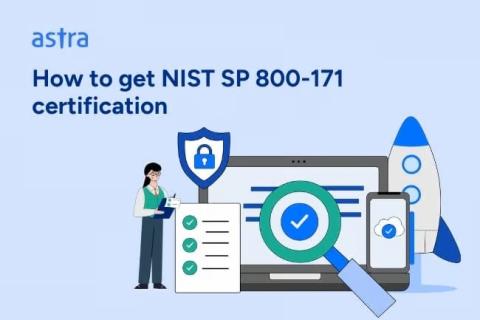
Achieve NIST SP 800-171 r2 Compliance with AppTrana WAAP

Organizations handling Controlled Unclassified Information (CUI) need to comply with NIST SP 800-171 Revision 3, a set of cybersecurity requirements developed by the National Institute of Standards and Technology (NIST). These guidelines apply to non-federal organizations, including private companies, defense contractors, and businesses in regulated industries, that process, store, or transmit CUI.

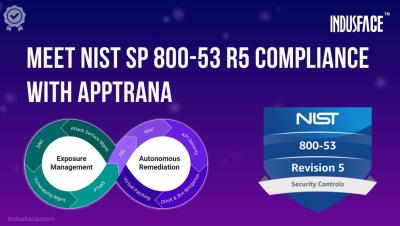
Ensure NIST SP 800-53 r5 Compliance with AppTrana WAAP

NIST Special Publication 800-53 revision 5 provides a comprehensive set of security and privacy controls to help organizations manage risk effectively. These controls are widely adopted by federal agencies and private organizations to enhance cybersecurity resilience. Compliance with NIST SP 800-53 r5 helps organizations strengthen their security posture, mitigate cyber threats, and ensure regulatory compliance.