Security | Threat Detection | Cyberattacks | DevSecOps | Compliance

The Latest Cybersecurity News & Insights From Around The World

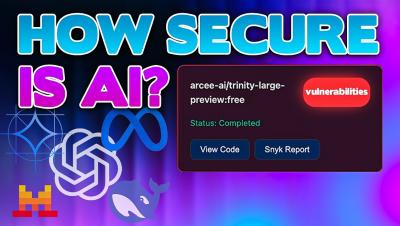
Can You Trust AI Code? I Built a Scanner to Find Out
Can you trust the code AI generates? In this video, we build a custom AI Security Benchmarking tool to put models like Gemini, Mistral, and GLM 4.5 to the test. Using Windsurf, OpenRouter, and Snyk, we automate a pipeline that prompts multiple LLMs to write an application, then immediately scans the output for security vulnerabilities.

My Boss Wanted an App by Morning... So I Used AI
My Boss Wanted an App by Morning... So I Used AI.
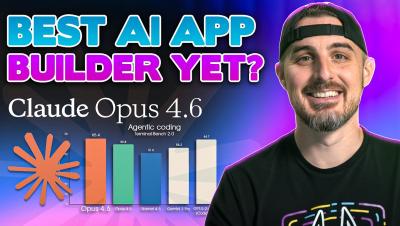
I Built a Production-Ready App in 20 Minutes with Claude Opus 4.6
My boss dropped a bombshell at 4:00 PM: build a secure, production-ready app from scratch by tomorrow morning. Instead of panicking, I put Claude Opus 4.6 to the test. In this video, I walk you through the entire end-to-end process of using an AI agent to architect, code, and debug a full-stack application. We’ll look at "Plan Mode," how the AI handles environment errors (like Windows SQLite issues), and most importantly, how we verified the AI's code for security vulnerabilities using Snyk.
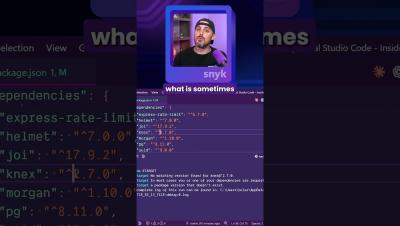
AI Code Generation: 3 Critical Security Risks
AI Code Generation: 3 Critical Security Risks.
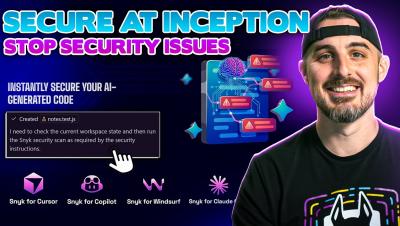
The Secret to Secure AI Code
AI is revolutionizing software development, but it’s also generating code faster than humans can review. In this video, we dive into the three biggest security risks of AI code generation and show you how to automate your defense using Snyk Studio. Learn how to enable Secure At Inception to catch vulnerabilities in real-time within your IDE.
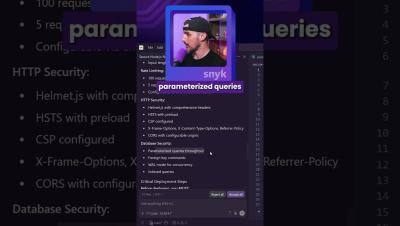
How to Enable GLM 4.7 Beta in Windsurf IDE
How to Enable GLM 4.7 Beta in Windsurf IDE.
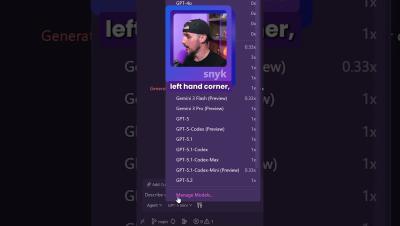
GLM 4.7 Tutorial: How to Connect OpenRouter to VS Code
GLM 4.7 Tutorial: How to Connect OpenRouter to VS Code.
GLM 4.7 vs. The Giants: Is This the New King of AI Coding?
Can a lesser-known model compete with the likes of OpenAI, Google, and Anthropic? In this video, we put Z.ai’s GLM 4.7 to the ultimate test. We task it with building a production-ready, secure Node.js note-taking application from a single prompt to see if its code quality and security stand up to the big name foundational models.