Security | Threat Detection | Cyberattacks | DevSecOps | Compliance

2027 State of IT Infrastructure Resilience

I’ve spent the last few months knee-deep in the findings from our 2027 State of IT Infrastructure Resilience study, drawing on them to write our just-released eBook. It explores how converging cost pressures, platform changes, artificial intelligence, and cyber threats are reshaping IT priorities. IT teams are being asked to handle a lot at once: rising costs, platform decisions, AI plans, and the need to keep critical services protected and recoverable.
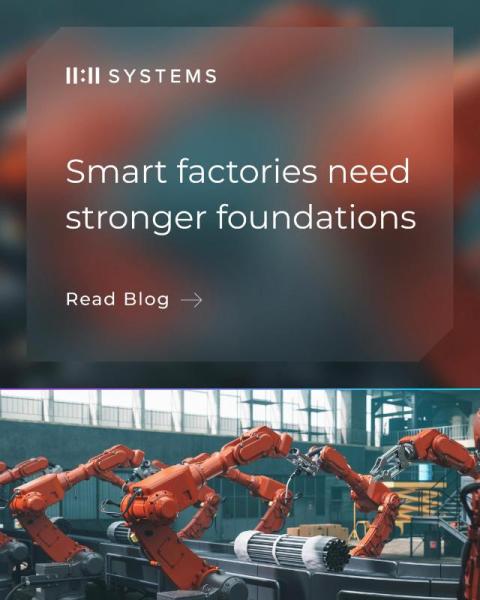
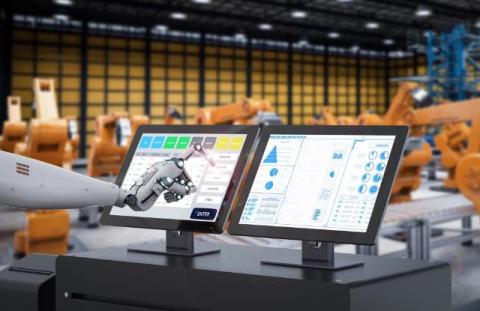
Smart factories need stronger foundations

Manufacturers are investing heavily in smarter, more connected operations. Automation, AI, cloud platforms, connected production lines and real-time data are giving teams better visibility across the factory and helping them make faster decisions. For many manufacturers, these investments are now tied directly to competitiveness, productivity and future growth. On the factory floor, that dependency becomes visible very quickly.

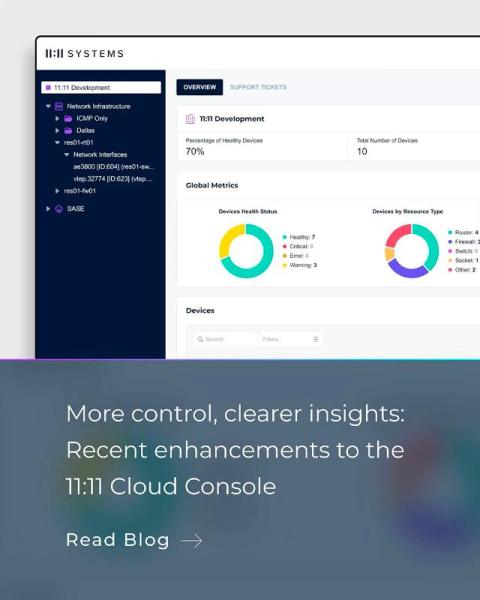
More control, clearer insights: Recent enhancements to the 11:11 Cloud Console

In a time when everything seems to be getting more complex, we know you need more visibility and insight throughout your tech stack. One way 11:11 helps to simplify management for all of our services is through the 11:11 Cloud Console, which puts cloud, backup, disaster recovery, and more in one place. Recent updates make it easier to adjust backup schedules, get a clearer view of your network, and troubleshoot issues.

A DR plan isn't proven until you test it

The quick answer: A disaster recovery (DR) plan is only a hypothesis until it’s tested under real conditions. Regular, scoped DR and cyber recovery testing, covering people, dependencies, data, and systems, exposes the gaps that a written plan can’t reveal. 11:11 Systems helps IT and business continuity leaders validate recovery readiness before a real incident forces the issue. Think of a DR plan like a fire escape map taped to the back of a hotel room door.
Featured Post

Why Smarter Factories Can Create Greater Operational Risk

The manufacturing industry has undergone a remarkable transition. Factories that once relied on largely isolated systems and manual processes have evolved into highly connected environments, where cloud platforms, industrial technologies, data and third-party services work together to keep production moving. The benefits are clear, with greater connectivity helping manufacturers to increase efficiency and productivity, while better access to data gives teams the insights that they need to optimise operations and make faster, more informed decisions.

11 Questions Your Team Should Be Able to Answer This Cybersecurity Awareness Month

A cyberattack is an expensive—and dare I say, inefficient—way to discover whether your cyber resilience strategy works. By the time an executive asks how long it will take to get the business back online, the answer depends on preparation that should already be in place: clearly defined responsibilities, protected data, and a recovery process that someone has actually tested.

Beyond Renew or Replatform: A Fourth Option for VMware Customers

A customer tells you they want off VMware. They have seen the headlines, looked at the latest renewal, and decided it is time to evaluate Nutanix, Proxmox, public cloud, or another virtualization platform. The opportunity appears straightforward: help them select an alternative and build the migration plan. But what if leaving VMware isn’t actually the best answer? A platform move is risky, time-consuming, and expensive.

Cloud Management Without Losing Control

Cloud adoption is no longer just a question of where workloads run. Managing a complex cloud environment without a unified view is like running a city with separate control rooms for every utility. While this is quite possible, it likely will be much slower and much harder to manage. In a similar way, the bigger challenge for IT Leaders is maintaining visibility, security, operational control, and evidence for compliance.

What Are Managed Services, and Why Can Network IT Teams Rely on Them?

That might sound like a trick question since it’s what we do as a managed infrastructure services provider. But it really isn’t. Here is the quick answer: Managed services let organizations outsource day-to-day IT operations, including networks, security, connectivity, and policy management, to a specialized provider.