Security | Threat Detection | Cyberattacks | DevSecOps | Compliance

You Can't Be AI-Secure on a Misconfigured Infrastructure

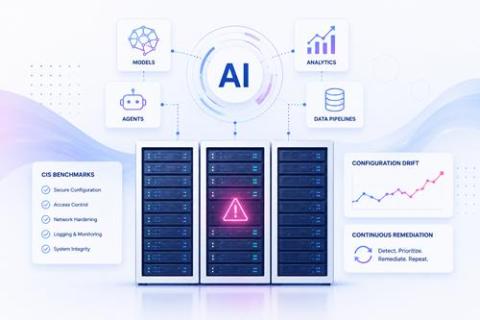
Walking the floor at Infosecurity Europe this week, it was impossible to avoid the subject of AI. Every conversation seemed to touch on it in some way. Vendors were demonstrating AI-powered detection capabilities, security teams were discussing governance frameworks, and practitioners were debating how best to secure the models, agents and data pipelines that are rapidly becoming part of everyday enterprise operations.

How to Talk to Your Board About System Hardening

You know your servers need hardening. Getting leadership to prioritise, fund, and support the effort is the harder challenge. Here’s our experts’ best advice for how to talk to the C-suite and board about the need for automated server hardening. You already know the servers are drifting. Configurations change. Exceptions pile up. Standards slip over time. The hard part is not identifying the problem.

Why We're Elevating the Compliance Conversation

Before the AI spectacle of RSA arrives, let’s talk about what actually keeps regulated organizations secure RSA is only weeks away. And if you’ve been paying any attention to the pre-conference buzz, or if you work in technology generally, you already know what it’s going to feel like walking that floor: artificial intelligence, everywhere, in everything. AI-powered detection. Autonomous response. Agentic security copilots in everything from threat monitoring to your morning coffee.

Why the UK Thinks Differently About Cybersecurity Compliance

A multinational financial institution walks into its annual PCI DSS review confident it has “checked the boxes.” Firewalls are segmented, logs are retained, access controls are documented, and the audit report is clean. Months later, the same organization is reprimanded by the UK Information Commissioner’s Office (ICO). The controls were properly implemented.

What The New CMMC Rules Mean For DoD Contractors

If your organization does business with the U.S. Department of Defense, or plans to, you need to know about a major change that just went into force. CMMC, or Cybersecurity Maturity Model Certification, is the Department of Defense’s standard for ensuring contractors meet basic cybersecurity requirements. It was designed to protect sensitive government data across the entire defense supply chain. As of November 2025, CMMC is no longer optional.

Windows Interactive Logon Security Guide - Settings & Best Practices

Interactive logon refers to users authenticating directly to a Windows system through its interface, such as a GUI or command line. Because these logons grant immediate access to a live session, misconfigured interactive logon policies can expose systems to credential theft and unauthorized access. This guide explains which interactive logon settings matter, where risks commonly appear, and how to harden them effectively.

Group Policy Guide for Baseline Hardening

Creating a safe and secure environment is a top priority for all types of organizations. To accomplish this goal, it is essential to adhere to group policy best practices, particularly in the realm of GPO security. By configuring fundamental Group Policy Settings correctly, organizations can significantly enhance their security posture. When Group Policies are utilized effectively, they play a crucial role in safeguarding users’ computers from various threats and potential breaches.