You can identify a scammer by spotting red flags such as sudden requests for your personal information, grammatical and spelling errors in emails, offers that seem too good to be true, along with other signs. Read on to learn about the red flags that can help you identify scammers and what you can do if you’ve fallen for a scam.
To stay safe from Zelle scams, you should only send Zelle payments to people you know, be wary of urgent payment requests, use a different app to send and receive payments from strangers, use strong passwords and enable Multi-Factor Authentication (MFA) on your banking accounts. Continue reading to learn about common Zelle scams and how to avoid falling victim to them.
Read also: US and UK sanction 11 Russians in connection with Trickbot malware, Football Leaks hacker escapes jail term, and more.
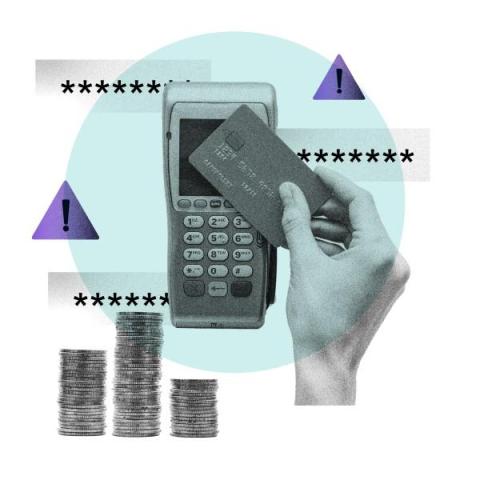
Welcome to the fourth and final part in our series on credit card fraud originating in Russia. After covering the basics of what carding is, why so much of it is perpetrated by Russian speakers, then digging deeper into how carders operate, in this part we’ll explore ways to protect yourself and your business from this pervasive financial threat. Click here to download the full report: "Inside Russian Carding" (PDF)
In the critically acclaimed, Oscar-winning 2019 film Parasite, a family’s cunning scheme to infiltrate a wealthy family’s home is a vivid metaphor for the stealthy and calculated maneuvers of advanced persistent threats (APTs) in the digital realm.