Security | Threat Detection | Cyberattacks | DevSecOps | Compliance

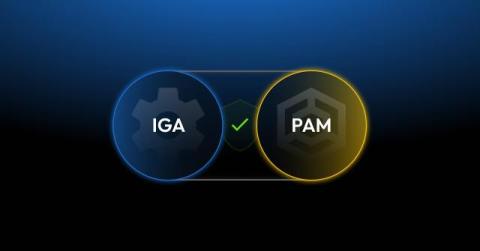
Why Organizations Need Both IGA and PAM

As organizations develop modern Identity and Access Management (IAM) strategies to defend against advanced cyber threats, it’s essential to implement both Identity Governance and Administration (IGA) and Privileged Access Management (PAM) as part of a defense-in-depth approach. PAM provides granular control and monitoring of privileged accounts at runtime, while IGA ensures appropriate access is approved, governed and reviewed throughout the identity lifecycle.

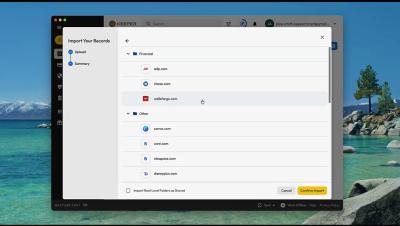
How to Import Your Passwords Into Keeper

Keeper Web and Desktop App version 17.5 integrates an improved import experience that guides you through uploading your passwords from web browsers, other password managers or a text file. You can then review, edit and customize how you would like the new records to appear in your vault within an easy to use field mapping interface.

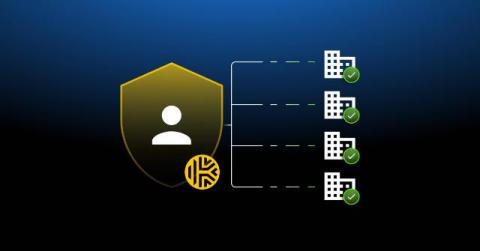
How Leading MSPs Are Strengthening Credential and Access Security With Keeper

Managed Service Providers (MSPs) are third-party companies that typically handle a portfolio of other organizations’ IT operations or day-to-day activities. This puts MSPs on the front lines of cybersecurity for numerous businesses, often in highly regulated industries, handling some of their most sensitive data. Even the most experienced MSPs struggle to securely manage passwords, credentials, sensitive files and privileged access across dozens of client environments.

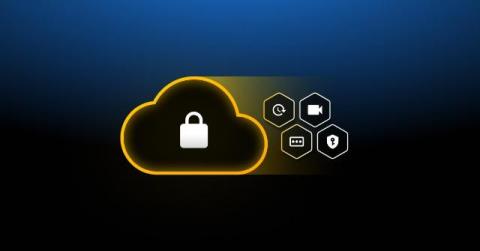
Top Cloud-Native Security Practices Every Organization Should Follow

Although cloud-native environments drive modern innovation and enable scalability, they also introduce new vulnerabilities that traditional perimeter-based security models cannot address. According to Orca Security’s 2025 State of Cloud Security Report, 95% of organizations have at least one cloud asset that enables lateral movement, making it easier for cybercriminals to navigate cloud environments undetected.

Why Did I Receive an Instagram Password Reset Email?

If you received an unexpected password reset email from Instagram at the beginning of January 2026, you’re not alone. In early January, many Instagram users reported receiving password reset emails they did not request. This appears to have been the result of Instagram’s password reset functionality, resulting in widespread confusion about the legitimacy of those messages.

The Rise of DLL Side-Loading Cyber Attacks and Browser Data Theft

Content originally created and published by Venak Security. Cybercriminals are increasingly adopting stealthy and advanced techniques, notably Dynamic-Link Library (DLL) side-loading and browser memory scraping, to install malware that stealthily harvests users’ passwords, credit card data, cookies, session tokens and more. These attacks blend social engineering, search manipulation and memory-level exploitation to bypass traditional defenses and compromise victims at scale.

Global Tech Firm Secures and Manages Its Passwords With Keeper

A global technology services provider based in the United Kingdom, with more than 11,000 employees, was quickly scaling while serving clients across the finance, telecom, media, retail and healthcare sectors. Behind the scenes, its Information Technology (IT) and security teams were facing growing challenges: too many password tools, limited visibility into access controls and widening compliance gaps as cyber threats became more sophisticated.


How the Model Context Protocol Is Redefining Zero Trust for AI Agents

As Artificial Intelligence (AI) agents become more autonomous by accessing critical systems and acting without real-time human oversight, they are evolving from productivity tools into active Non-Human Identities (NHIs) like service accounts or API keys that require the same oversight and controls as human users. This shift expands organizational attack surfaces, introducing new security risks related to overprivileged access and lateral movement of NHIs across cloud infrastructure.

How KeeperPAM Integrates With CNAPP

As cloud-native environments become more dynamic, organizations must balance workload security, visibility and control to ensure effective privileged access management. Cloud-Native Application Protection Platforms (CNAPPs) help security teams identify vulnerabilities and misconfigurations across cloud infrastructure, but they typically do not directly enforce privileged access controls at the session or connection level.