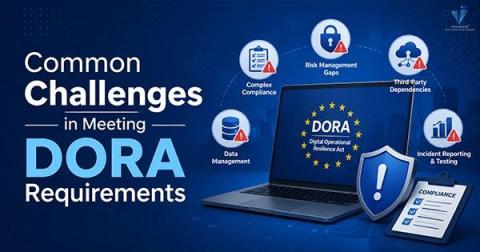
The Digital Operational Resilience Act is active. Yet most financial entities are still navigating significant implementation challenges. Here is what they are — and how to overcome each one.
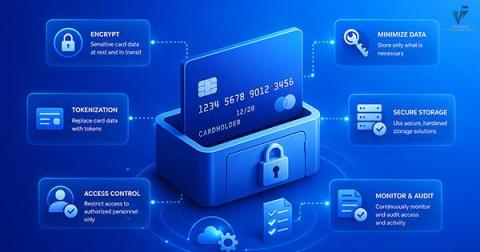
Businesses must never store CVV/CVC codes, full magnetic stripe data, or PINs under any circumstances. For PANs that must be retained, use AES-256 encryption with hardware security modules (HSMs) or, better yet, replace card data entirely with tokens via a PCI-DSS-compliant third-party vault. This removes raw card data from your environment and reduces your compliance scope from SAQ D (hundreds of controls) to SAQ A (as few as 22 controls).
Rate this post Last Updated on June 8, 2026 by Narendra Sahoo Contents hide Why Fintech Companies Can No Longer Afford to Skip SOC 2 Type 2 What Is a SOC 2 Type 2 Report? (And Why Type 1 Is Rarely Enough) The Five AICPA Trust Services Criteria — Applied to Fintech Core SOC 2 Type 2 Audit Requirements for Fintech Companies The Practical SOC 2 Type 2 Audit Checklist for Fintech Companies Reading Your Audit Report: The Four Auditor Opinions Explained Frequently Asked Questions.
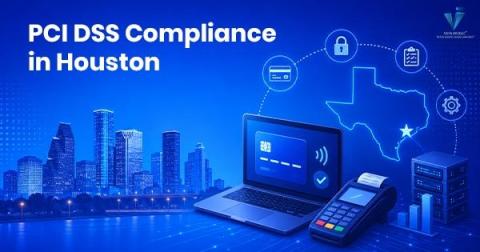
Houston is one of America’s most commercially active cities — a Fortune 500 corridor, a booming technology sector, and tens of thousands of small and mid-size businesses processing credit and debit card payments around the clock. Every one of those businesses is legally bound by a set of security standards that most owners know surprisingly little about: the Payment Card Industry Data Security Standard, universally referred to as PCI DSS.