Security | Threat Detection | Cyberattacks | DevSecOps | Compliance

MAS TRM Compliance Checklist 2026

Singapore’s financial sector faces its most demanding regulatory environment yet in 2026. AI-powered cyberattacks, cloud-native banking infrastructure, and decentralised finance have pushed the Monetary Authority of Singapore (MAS) to sharpen its supervisory focus — and its expectations of every regulated institution. If you are a CISO, CTO, Head of Compliance, or technology risk officer at a Singapore financial institution, this guide answers the question your regulators are already asking.
Mapping DORA to ISO 27001 and SOC 2

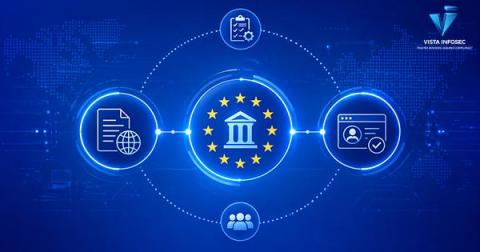
Rate this post Last Updated on April 22, 2026 by Narendra Sahoo For EU financial entities facing DORA compliance, the prospect of simultaneously managing ISO 27001 and SOC 2 can feel overwhelming. The reality is far more encouraging: these three frameworks share deep structural overlap, and organisations that approach them as an integrated compliance program — rather than separate projects — can reduce compliance duplication by 40–60%.

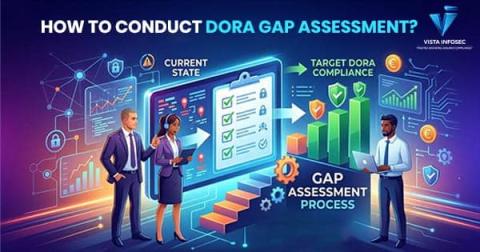
How To Conduct a DORA Gap Assessment

DORA compliance isn’t optional for financial entities in the EU. The Digital Operational Resilience Act demands a systematic approach to identifying and closing ICT risk gaps, and the data shows most institutions are struggling. If you’re responsible for DORA compliance, you need a clear roadmap. Let us walk you through exactly how to conduct a gap assessment that actually works. Failure to meet DORA compliance requirements can lead to regulatory penalties and operational disruptions.

Can AI Replace a QSA?

The question circling boardrooms and compliance departments in 2026 is no longer hypothetical: Can AI replace a QSA? After nearly two decades guiding organizations through PCI DSS audits, gap assessments, and remediation programs, the answer is clear — No, AI cannot replace a Qualified Security Assessor in 2026. But it is fundamentally reshaping what being a QSA means, and professionals who ignore that shift do so at their own peril.

GDPR for Canadian Tech Startups: Do You Need to Comply?

You built something great. Your SaaS platform is signing up users. Your app is getting traction — some from Germany, some from France, maybe a handful from Sweden. You’re based in Toronto or Vancouver, operating under PIPEDA, and things feel legally tidy. Then a European enterprise prospect sends over a data protection questionnaire and asks: “Are you GDPR compliant?” Your stomach drops. You’re not sure.