Security | Threat Detection | Cyberattacks | DevSecOps | Compliance

OWASP LLM Top 10 2026: the model will be fooled, the question is what breaks

The OWASP GenAI Security Project published the 2026 edition of its Top 10 for LLM Applications. Prompt Injection stayed at number one. Sensitive Information Disclosure stayed at number two. Read the headlines and you would conclude that not much moved. Something did move, and it is not in the rankings. The project leads open by telling you to stop trying to build a model that cannot be fooled, and to build the system around it so that when the model is fooled, nothing important breaks.

That's a wrap: Mend.io at Black Hat USA 2026

Another Black Hat USA is in the books, and what a week it was. From a main stage keynote at the AI Summit to candid podcast conversations, a video interview with Cyber Defense Magazine, and a booth game that just wouldn’t quit, Mend.io showed up in Las Vegas ready to talk about the question every security leader is wrestling with right now: as AI reshapes both the software we ship and the systems we have to defend, who do we trust to verify that it’s safe?

Patch faster isn't the answer. Patch smarter is.

The 30-day patch cycle is dead. Most security teams already know this. What they haven’t fully reckoned with is why it died, and what has to replace it. SC Media recently gathered a range of security leaders on exactly this shift, and the picture they described is stark. AI didn’t just add more vulnerabilities to the pile. It collapsed the time between disclosure and exploitation from weeks to hours.

Mini Shai-Hulud Hits keyv: Trojanized Release Exfiltrates CI Secrets via GitHub

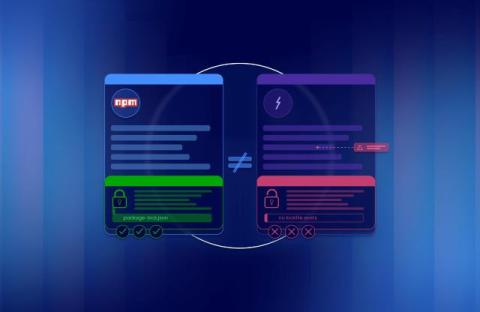
On August 4, 2026, a malicious version of keyv was published to npm as keyv@6.0.0, one of a number of npm packages affected across the Keyv and Cacheable ecosystem. The release follows the Mini Shai-Hulud pattern: a trojanized version of a heavily depended-on package, with an install-time hook that reaches cloud and CI credentials. It leaves the compiled library untouched and instead adds a preinstall hook and two files.

Why Traditional SAST Fails on AI-Generated Code

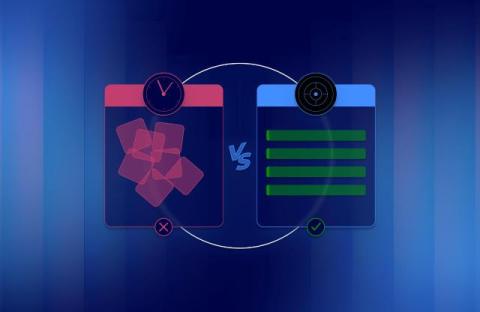
AI didn't just speed up software development, it changed what application security programs must defend. As AI coding assistants generate code at machine speed and developers integrate AI agents, models, and RAG pipelines into production, traditional scanners generate endless backlogs of unprioritized alerts.