Security | Threat Detection | Cyberattacks | DevSecOps | Compliance

Cloud Security for Financial Services: Building a Compliant AWS Environment

Financial services organizations moving to AWS often discover that retrofitting security and compliance controls costs three to five times more than building them in from the start. Compliance gaps discovered during audits can delay critical initiatives, trigger regulatory scrutiny, and expose organizations to unnecessary risk.

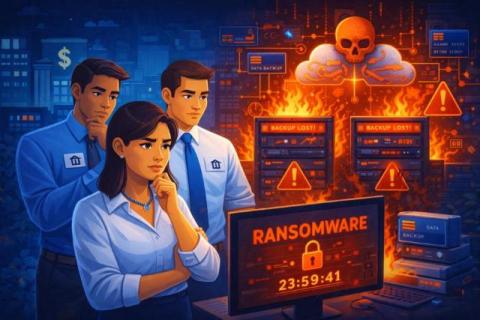
Ransomware in Financial Services: Traditional Backup Isn't Enough

Many financial services IT leaders believe they’re protected against ransomware because they have backups. According to Sophos’ State of Ransomware in Financial Services 2025, 64% of financial services organizations were hit by ransomware in the past year. Of those with backups, a significant percentage discovered their backup infrastructure had been compromised too. Modern ransomware operators don’t just encrypt production data.

The Real Cost of a Data Breach for Financial Services Firms

Financial services firms face data breach costs 22% higher than the global average. According to IBM’s 2025 Cost of a Data Breach Report, the average breach in financial services now costs $6.08 million, second only to healthcare. Beyond immediate costs of investigation, notification, and remediation, financial services organizations face regulatory penalties, litigation exposure, and lost customer trust.

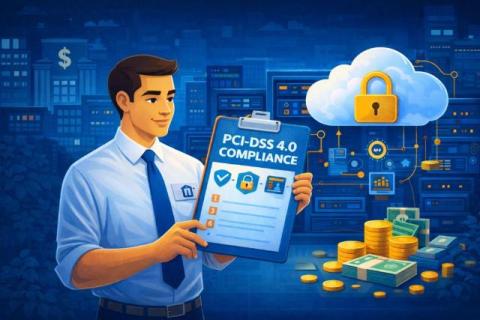
PCI-DSS 4.0 Compliance in the Cloud: For Financial Services

Financial services firms handling payment card data just ran out of runway. As of March 31, '25, PCI-DSS 4.0 compliance is mandatory. The 64 new requirements that organizations could previously treat as best practices are now enforceable, and auditors are scrutinizing every control. According to Verizon’s 2024 Payment Security Report, only 14.3% of organizations achieved full PCI-DSS compliance during interim assessments. That means most firms are closing gaps while managing day-to-day operations.

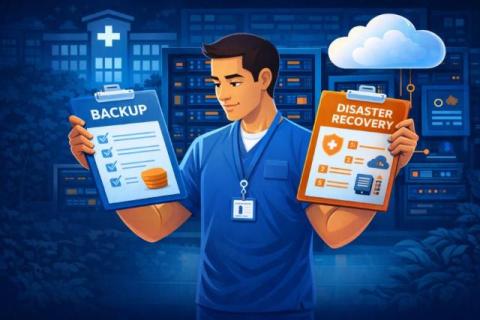
Backup vs Disaster Recovery for Medical Practices: What's the Difference?

Many medical practice administrators believe their organization is protected because “we have backups.” When asked about disaster recovery, they point to the same backup system. This confusion between backup and disaster recovery creates significant risk, because backup alone cannot restore operations quickly enough when systems fail. The distinction matters because patient care depends on system availability.

Opti9 Wins MSP of the Year at 2025 Wasabi Partner Awards

GARDEN CITY, NY, USA – Opti9 today announced it has been selected as North America’s Managed Service Provider of the Year in the 2025 Wasabi Partner Network Awards. These awards recognize Wasabi partners that are dedicated to providing cutting edge cloud technology services to their end users.

Healthcare Ransomware Recovery: A HIPAA-Compliant Response Framework

Healthcare remains the most targeted sector for ransomware attacks, with 238 ransomware incidents reported to the FBI in 2024 alone. The Change Healthcare attack demonstrated the cascading impact a single breach can have across the entire healthcare ecosystem, affecting payment processing for providers nationwide and ultimately compromising data on an estimated 190 million individuals.

How to Build HIPAA-Compliant Infrastructure on AWS

Many healthcare organizations want to move workloads to AWS but stall because they’re uncertain how to maintain HIPAA compliance in the cloud. The good news: AWS provides the tools and certifications needed for HIPAA-eligible services. The challenge is implementing them correctly. AWS has been HIPAA-eligible since 2013 and currently offers over 150 services that can be used in HIPAA-compliant architectures. But eligibility doesn’t equal compliance.

HIPAA Disaster Recovery Requirements: What Healthcare Organizations Really Need

What are HIPAA disaster recovery requirements? Healthcare data breaches exposed over 276 million patient records in 2024, representing more than 80% of the US population according to the HHS Office for Civil Rights. For healthcare organizations, the question is no longer whether a disruption will occur, but when. The HIPAA Security Rule addresses this reality directly through its contingency planning requirements, yet many organizations still operate with significant compliance gaps.

Business Continuity Strategy: A 2026 Guide to Downtime Prevention

A resilient business continuity strategy is no longer optional – it’s the difference between surviving disruption and becoming a cautionary tale. According to ITIC’s 2024 Hourly Cost of Downtime survey, over 90% of large and mid-size enterprises report that a single hour of downtime costs upwards of $300,000. For 41% of those organizations, hourly costs exceed $1 million.