Security | Threat Detection | Cyberattacks | DevSecOps | Compliance

Protecting Local Government Data: Why Password Managers Are Essential

Cyberthreats and ransomware attacks can be crippling for municipalities and county government offices. Local government employees need to access a growing number of systems, applications and databases to perform their duties, while the rise of remote work has drastically increased the attack surface of a typical small government office.

Becoming FedRAMP and StateRAMP Authorized - Part 1

Cloud-based applications and services are booming in 2023, in both the public and private sector. One of the largest and most sought-after clients for any tech company is the U.S. government. In fact, the federal government is investing billions of dollars annually in transitioning IT resources away from on-premises to secure and cost-effective commercial cloud services such as IaaS (infrastructure as a service), PaaS (platform as a service), and SaaS (software as a service).

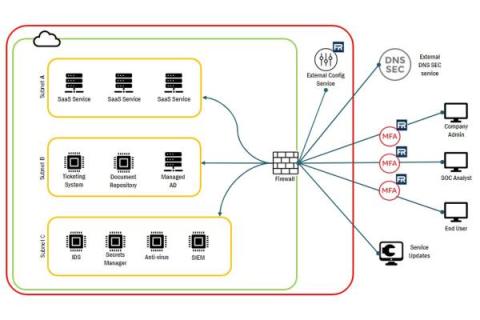
Understanding FedRAMP System Boundary

In the ever-changing world of technology, staying secure is a top priority for many organizations. Identifying and documenting system boundaries is essential for keeping data safe and secure, but what does this mean? In this article, we’ll explore FedRAMP System Boundary, how to identify them, and how to generate FedRAMP System Boundary diagrams.

How to Become FedRAMP Certified

We previously covered the basics of FedRAMP by simply asking “What is FedRAMP?” This time, we’re going to talk about how to become FedRamp Certified Cloud Service Provider (CSP). We’ll talk about some of the advantages of being FedRAMP authorized. We’ll also discuss FedRAMP compliance versus certification to understand the difference. Additionally, we will define terms you will need to know during your FedRAMP journey.