Security | Threat Detection | Cyberattacks | DevSecOps | Compliance

How to secure your remote workforce

Since the outbreak of Covid-19, many organisations have had to make a swift transition to remote working to ensure business continuity. What would typically take months of planning and preparation was implemented in a matter of days. The chaos that this created, combined with the already uncertain nature of life during a pandemic, had created the ideal environment for cybercriminals.
GDPR 2 years on - key takeaways and lessons learnt

GDPR recently breezed past its second birthday and, like many two-year-olds, continues to cause concern and confusion for those who have to deal with it. Unlike real two-year-olds, however, GDPR is quite clear in what it demands and there could be big consequences if they are not met. For businesses, failure to meet GDPR’s requirements represents an increased risk of data breaches and the reputational damage and legal repercussions that breaches inevitably lead to.

SMEs and the cyber security challenge

EasyJet, CapitalOne, British Airways and Marriott are all huge companies with equally large budgets. Another thing they have in common is they all fell victim to a serious data breach, costing them hundreds of millions of pounds. If the major players with a lot of resources to devote to cyber security still get hacked, do SMEs with limited budgets stand a chance? It’s a dramatic question, so let’s explore the answer.

Everything you need to know about a DPO

In 2018, the world’s trust was shaken. That year, it was revealed that Cambridge Analytica had furtively harvested data left exposed by Facebook. The information of over 87 million individuals was exploited to assemble voter profiles and customise the distribution of political advertisements in the run up to the 2016 US Presidential Election as well as Brexit.

Why cyber security is even more important because of covid-19

Covid-19 is causing myriad challenges for businesses, with remote working, diverted priorities and a general scramble to maintain business-as-usual operations. This is unprecedented in UK industry, and presents a range of challenges and opportunities. In particular, hackers now have more time on their nefarious hands and a whole host of new targets in front of them, in the form of a large number of working-from-home employees.

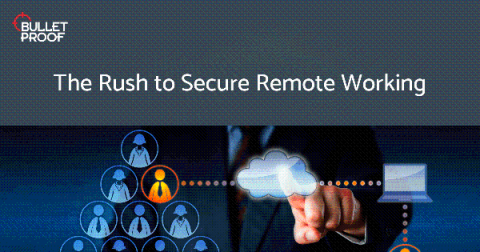
The Rush to Secure Remote Working

Many organisations are acting to prevent the spread of Coronavirus by allowing their employees to work from home. In order to be able to do so comfortably, and without introducing a component of risk, businesses should follow certain best practices that can guarantee their digital assets are just as secure with a remote workforce as they would be in-house. Unfortunately, cybercriminals have already started to take advantage of this pandemic.

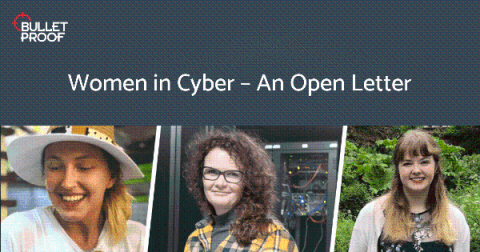
Women in Cyber - An Open Letter

The past sixteen years have witnessed a staggering growth in the cybersecurity industry. With a global market worth of $3.5 billion in 2004, this figure mushroomed to $120 billion in 2017. It is now predicted to surpass $1 trillion by 2021. Alongside this growth is the upsurge of demand for cybersecurity talent, of which there is a severe shortage with an expected 3.5 million unfilled positions in a year’s time.