There exists a drive in all of us that embraces innovation to make life easier. For IT leaders, it’s time for true innovation at the remote access edge.
The last decade has seen a notable step in the evolution of network security and operations as companies move to a Software Defined Network (SDN) model, centralising control of switches, routers, VPN concentrators, load balancers and SD-WAN devices. This simplifies the management and operation of the network, driving down operational costs and reducing risk through better patch and update management.
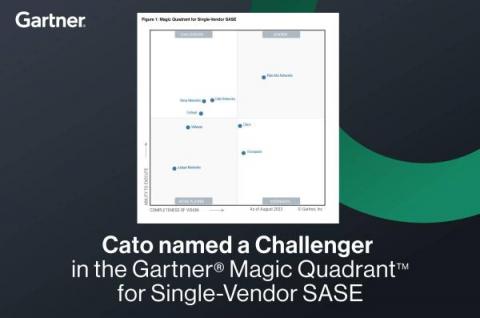
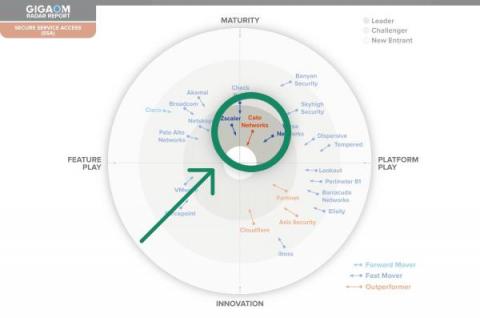
SASE (Secure Access Service Edge) is a new architecture that converges networking and security into cloud-native, globally available service offerings. Security inspection and policy enforcement is performed at the cloud edge, instead of backhauling all traffic to a centralized data center for inspection. This enables organizations to strengthen their security posture while ensuring high performance, scalability and a good user experience.
Unsolved Remote Access Challenges Continue to Propel SASE in 2023, Finds New Cato Survey By all accounts, 2023 is expected to see strong growth in the SASE market. Gartner has already predicted in The Top 5 Trends in Enterprise Networking and Why They Matter: A Gartner Trend Insight Report (subscription required) that by 2025, 50% of SD-WAN purchases will be part of a single vendor SASE offering, up from less than 10% in 2021.
Industry 4.0 is revolutionizing the manufacturing industry as we are witnessing numerous innovative technologies such as AI, IoT, and Robotic Process Automation (RPA) helping manufacturers enhance their supply chain, logistics and production lines. While we see these operations evolving into smart factories, the industry still faces challenges that could adversely impact its ability to realize the full potential of Industry 4.0.
I recently attended the LEAP tech event in Saudi Arabia, and it was clear walking the trade show floor that 5G is hitting critical mass. Lightning-fast network connections are now rolling into cities across Saudi Arabia and the wider world, and while it’s true that some countries are further into the rollout of 5G than others, all the network providers and consultancies last week were showcasing wide-ranging use cases of 5G.
Cloud security, let alone SASE, doesn’t work without the underlying infrastructure that provides a consistent “baseload” to deliver the security capabilities integral to protecting users, sites, apps, and most importantly the data.