
Why Visibility on Trading Apps Can Create a False Sense of Safety
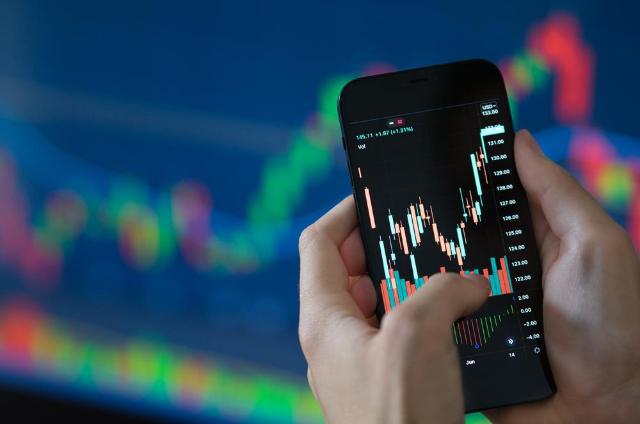
Image Source: depositphotos.com
Imagine checking your portfolio for the third time this hour.
Green numbers glow on your screen. Your finger hovers over the buy button. One tap, and you're in. It feels safe. It feels controlled. It feels like you know what you're doing.
But is that really the case? Not exactly.
Modern trading platforms give you unprecedented access to market data, polished interfaces, and social features that previous generations of traders never had. Yet these visibility elements often obscure rather than illuminate the true risks you're taking.
The sophistication of the interface doesn't correlate with your likelihood of success, and the comfort these apps provide can cost you more than you realize.
How User Interface Design Creates Perception of Control
Your trading app's polished, intuitive interface creates an illusion that trading is simple and controllable, even though the underlying market complexity remains unchanged. Design sophistication masks the genuine difficulty of profitable trading.
- Clean, Minimalist Design: Streamlined interfaces eliminate psychological barriers, making complex financial decisions feel as consequence-free as scrolling through social media. You don't feel the weight of risk when the experience resembles casual browsing.
- One-Tap Trade Execution and Swipe Gestures: Effortless order placement reduces your deliberation time and creates false equivalence between buying stocks and everyday mobile interactions.
- Color Psychology and Positive Reinforcement Patterns: Your app displays gains prominently in green while losses appear muted. Celebratory animations for completed trades trigger dopamine responses that reinforce trading behavior regardless of outcomes.
- Progress Bars, Charts, and Visual Feedback: Portfolio graphs and performance visualizations create an illusion of control and expertise. Your account shows sleek charts and percentages, making you feel like a sophisticated investor even when your actual results tell a different story.
Why Real-Time Data Creates an Illusion of Information Advantage
Instant access to price updates creates a false belief that you possess an informational edge over other market participants.
The Myth of "Real-Time" Retail Data
Your retail platform actually shows delayed quotes, often 15 minutes or more for certain data feeds. By the time you see a price movement and react, institutional algorithms have already executed thousands of trades and moved prices beyond your intended entry point.
Information Overload vs. Actionable Insight
Constant price updates and news feeds create a feeling of informed decision-making while actually overwhelming your analytical capacity. More information doesn't necessarily lead to better decisions when you lack the framework to interpret it.
Confusing Data Access with Analytical Capability
Seeing price movements doesn't mean you understand causation. The visibility of numbers doesn't translate into profitable interpretation. You can watch every tick and still fail to anticipate the next move because you're observing outcomes rather than understanding the forces that drive them.
How Social Proof Features Normalize Risky Behavior
The "most popular" and "trending" stock lists create herding behavior. Popularity rankings lead you toward what's already overpriced or in a peak hype cycle. This effect is more pronounced with volatile, low-priced securities.
For example, when you're searching for the best penny stocks on Robinhood, you likely often rely on trending lists rather than fundamental analysis, following crowd momentum.
The thing is, the percentage of users holding specific positions doesn't provide meaningful validation. When your app tells you "30% of users own this stock," it normalizes concentrated positions and reduces your perceived risk of crowded trades.
But consensus doesn't equal correctness. It often signals you're late to a trade that early movers are already exiting.
Even more, social sentiment indicators and community forums amplify confirmation bias. You’re simply surrounding yourself with people who agree with you rather than challenge your assumptions.
Why Simplified Displays Hide Critical Risk Information
Mobile-optimized interfaces necessarily omit or minimize essential risk metrics that would inform prudent decision-making. Simplification improves the user experience at the expense of transparency into risk.
- Limited Space for Risk Disclosures and Warnings: Legal warnings get buried in settings menus or dismissed with single taps. Volatility risks don't appear at the point of trade execution.
- Hiding Bid-Ask Spreads and Liquidity Data: Your app shows the last traded price without revealing the slippage you'll experience at execution.
- Percentage Gains Without Context of Volatility or Drawdown: Your portfolio might show +15%, but you don't see that it experienced a -40% drawdown along the way.
- Simplified Account Values That Obscure Margin Risk: Your total account value is prominently displayed, but margin utilization, maintenance requirements, and liquidation risks are hidden at multiple menu levels.
How Gamification and Progress Metrics Encourage Overtrading
Achievement systems and engagement features create behavior patterns that are inconsistent with sound investment principles. Your app turns trading into a game you can't win.
Streaks, badges, and achievement systems reward activity over profit. Push notifications trigger impulsive trading. Portfolio performance displays encourage compulsive checking and adjusting.
The best investment decisions often involve doing nothing. However, your app is designed to make you feel like you’re missing out on something when you don’t trade.
Common Misconceptions About Trading App Safety Features
Your trading app displays badges, certifications, and insurance logos that give you a sense of protection. Knowing what these mechanisms actually do, versus what you think they do, is critical to assessing your real exposure.
- Do not confuse SIPC insurance with trade loss protection: SIPC covers brokerage failure up to $500,000. It doesn't protect against investment losses.
- Do not believe that regulatory compliance equals investment safety: SEC registration and FINRA membership ensure operational legitimacy, not that the investments offered are suitable or likely to profit.
- Do not assume that app popularity signals platform reliability: Millions of users don't validate the app's tools for your success. Popularity often correlates with aggressive marketing to novice traders, not superior outcomes for users.
These safety features protect the platform's legal standing and your account from the risk of broker insolvency. They do absolutely nothing to protect you from your own bad decisions or the inherent risks of the markets you're trading.
Final Thoughts
Visibility on trading apps creates a false sense of security because polished interfaces, real-time data, and social features mask the fundamental difficulties and risks of trading. The sophistication you see on your screen correlates with your engagement, which benefits the platform, not necessarily you.
So, always approach app-provided comfort signals with skepticism and conduct an independent risk assessment before executing any trade. The clarity you see on your screen is designed to make you feel safe, not to keep you safe.