
When Electricity Meets Cyber: How Electric Firms Must Harden Their Systems
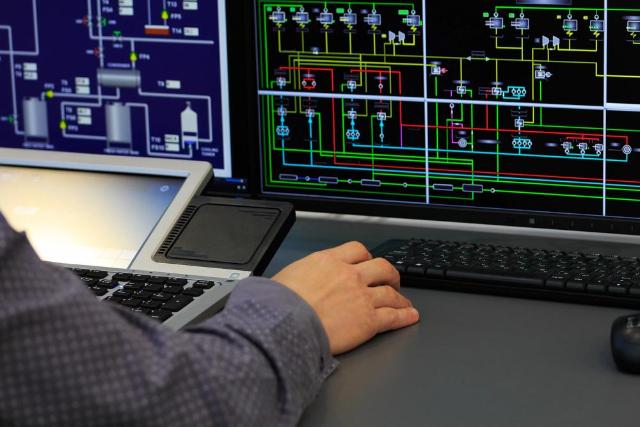
Image Source: depositphotos.com
The electric sector is undergoing a digital revolution. From smart meters to automated substations, electricity providers now rely heavily on software, connected devices, and real-time data analytics. While this transformation drives efficiency, sustainability, and innovation, it also exposes power grids and electrical systems to cyber risks.
As cyberattacks on critical infrastructure become more frequent, firms must not only harden their systems but also strengthen their workforce to meet this evolving challenge.
Why Electrical Infrastructure Is Now a Prime Target
For decades, electric systems were manually operated, isolated, and relatively secure from outside interference. But in today’s interconnected world, those barriers no longer exist. Modern electricity networks integrate operational technology (OT) with information technology (IT), creating an ecosystem that is powerful but also vulnerable.
Recent incidents underscore the stakes:
Ukraine, 2015: A coordinated cyberattack on the power grid left more than 230,000 people without electricity. It was one of the first confirmed cases of hackers successfully shutting down energy infrastructure.
Colonial Pipeline, 2021: While not electricity, this ransomware attack disrupted fuel supplies across much of the United States, proving how fragile critical energy systems can be when targeted.
U.S. utilities, ongoing: Federal agencies have repeatedly warned that both criminal groups and nation-state actors are probing the defenses of North American energy providers, searching for weak spots.
These examples make one point clear: when attackers go after power systems, the results are not just technical glitches, they are real-world blackouts, supply chain disruptions, and risks to national security.
Key Vulnerabilities in Electric Systems
The unique nature of electrical infrastructure creates security challenges that traditional IT networks don’t face.
Legacy technology: Many control systems were designed decades ago with little or no built-in security.
Weak segmentation: Once an attacker gets into a utility’s IT network, it’s often too easy to pivot into critical OT systems.
Remote access exposure: Tools that allow engineers to manage substations remotely can also be exploited if not secured.
Third-party risks: Contractors, vendors, and service providers often have access, expanding the attack surface.
Patch delays: Some systems can’t easily be taken offline for updates, leaving them exposed to known vulnerabilities.
The bottom line: the systems that keep electricity flowing were not designed with cybersecurity in mind and attackers know it.
Best Practices for Securing Electrical Infrastructure
To counter these risks, firms must adopt layered, proactive defenses. Some of the most impactful strategies include:
Network Segmentation
Separate IT networks from OT controls to reduce “spillover” risk from office systems to critical infrastructure.
Zero Trust Security
Move away from implicit trust, verify every device, every connection, and every user, regardless of location.
Regular Patching and Updates
Even with complex industrial equipment, utilities must find ways to safely update or isolate systems with known flaws.
Continuous Monitoring and Anomaly Detection
Specialized tools can detect abnormal commands, traffic spikes, or unusual user behavior before they cause damage.
Incident Response Planning
Simulate attacks, rehearse shutdowns, and prepare recovery playbooks tailored to electrical operations.
Compliance and Frameworks
Standards like NERC CIP in North America or NIST SP 800 guidelines provide proven structures for risk reduction.
Security Starts with People
Technology alone cannot solve these challenges. Human expertise is just as critical as firewalls and monitoring systems. Yet, across the U.S., there is a well-documented shortage of cybersecurity professionals, especially those who understand both IT and OT environments.
This is where workforce development intersects with immigration. Many highly skilled engineers, analysts, and infrastructure specialists come to the U.S. through work visas and eventually seek a US Green Card to continue contributing their expertise long-term.
Supporting these pathways is not just about immigration policy, it’s a matter of national resilience. Without enough skilled professionals, even the best security frameworks cannot be implemented effectively.
Real-World Leadership: Combining Security and Service
Some firms are already proving that it’s possible to take security seriously while also delivering excellent service.
For example, Sagan Electric has invested in proactive measures like network segmentation, firmware auditing, and real-time monitoring to ensure their electrical systems are both modern and secure. By treating cybersecurity as a core responsibility rather than an afterthought, they show how providers, no matter their size can set high standards for resilience.
When combined with a skilled workforce that includes both domestic and international talent, companies like this demonstrate a model for the industry at large.
Emerging Threats on the Horizon
Even as defenses improve, attackers continue to innovate. The next wave of threats to electric systems may include:
- Ransomware targeting OT systems directly rather than just corporate IT.
- Supply chain compromises, where attackers slip malicious code into software updates or hardware components.
- AI-driven attacks that can scan for vulnerabilities and craft tailored exploits faster than humans can respond.
- Nation-state escalation, where geopolitical conflicts spill over into cyberattacks on energy systems as a form of hybrid warfare.
- Firms must be ready not just for today’s risks, but for tomorrow’s unknowns.
An Action Plan for Electric Firms
Every electric provide whether local, regional, or national can take immediate steps to harden its systems:
- Perform comprehensive risk assessments that include both IT and OT assets.
- Invest in employee training, ensuring staff at every level understand how cyber risks affect operations.
- Run penetration tests to identify vulnerabilities before adversaries exploit them.
- Engage in threat intelligence sharing with peers and regulators.
- Support workforce development, including policies that help retain international experts through pathways like the US Green Card.
Securing the Grid, Securing the Future
Electricity is the lifeblood of modern society. As power systems become increasingly digital, the line between physical infrastructure and cyber risk has all but disappeared. To keep the lights on, firms must prioritize cybersecurity with the same intensity they devote to safety and reliability.
When electricity meets cyber, the solution is not only stronger technology but also stronger people, and that combination will determine how secure our future really is.